


Word games combining cognitive training with vocabulary building show a 25% engagement boost in 2026. Players now expect social multiplayer modes, targeted learning features, and transparent pay-once pricing in modern word game apps. This guide explores current trends shaping the word game market, from category-based challenges to brain training integration, helping you choose games that deliver real educational value alongside entertainment.
Table of Contents
- Popular Word Game Types And Modes In 2026
- Vocabulary Building Meets Cognitive Training
- Social And Multiplayer Interaction Trends
- Monetization Models: Pay-Once Vs Subscription In 2026
- Common Misconceptions About Word Games
- Practical Tips For Choosing And Using Word Games In 2026
- Explore Top Word Games And Brain Training Apps
Key takeaways
| Point | Details |
|---|---|
| Hybrid learning modes dominate | Category-based word games combine casual fun with targeted vocabulary building and cognitive training for broader appeal. |
| Social features drive retention | Multiplayer battles and leaderboards increase player commitment by 30% compared to solo gameplay. |
| Pay-once models gain ground | Transparent pricing rises from 15% to 35% adoption as players reject subscription fatigue. |
| Educational effectiveness varies | Only 40% of word games deliver measurable vocabulary gains, requiring careful selection. |
| Brain training integration works | Games pairing vocabulary expansion with cognitive exercises achieve higher engagement and learning outcomes. |
Popular word game types and modes in 2026
Category-based challenges surged 40% in popularity while 67% of casual players prefer hybrid modes blending education with entertainment. These formats dominate 2026 because they balance skill development with accessible gameplay.
Multiplayer battle formats transform traditional word puzzles into competitive social experiences. Timed rounds create urgency while team battles foster collaboration. Leaderboards motivate players through friendly competition, extending session length and encouraging daily return visits.
The shift toward types of word games for fun and skill building reflects player demand for games serving multiple purposes. Puzzle hybrids combine crossword mechanics with category challenges, offering variety within single apps. This diversity lets players switch between relaxed vocabulary practice and intense competitive modes.
Key characteristics of popular 2026 word game modes include:
- Adaptive difficulty adjusting to individual skill levels
- Category-based challenges testing knowledge across diverse topics
- Real-time multiplayer battles with friends and strangers
- Progressive learning paths rewarding continued engagement
- Mixed solo and team play options accommodating different preferences
These formats cater to everyone from casual players seeking quick entertainment to dedicated learners pursuing systematic vocabulary expansion. The variety ensures players find modes matching their current mood and available time.
Vocabulary building meets cognitive training
Modern word games integrate systematic vocabulary expansion with brain training exercises. Targeted vocabulary features show measurable gains by presenting words within contextual challenges rather than isolated flashcard drills.
Games combining vocabulary and brain training integration activate multiple cognitive systems simultaneously. Players strengthen verbal working memory while learning new terms, creating dual benefits that isolated study methods cannot match. Pattern recognition exercises paired with word discovery challenges enhance both language skills and general cognitive flexibility.

Adaptive difficulty systems keep players in optimal learning zones. Too easy breeds boredom, too hard causes frustration. Smart algorithms adjust challenge levels based on performance, maintaining engagement while progressively expanding vocabulary range.
Pro Tip: Select games explicitly stating evidence-backed vocabulary goals and cognitive training frameworks rather than generic claims about brain health.
Key brain training elements effective in word games:
- Verbal working memory exercises through timed recall challenges
- Processing speed improvements via rapid categorization tasks
- Attention control practice through distraction-resistant focused gameplay
- Cognitive flexibility development across varied word puzzle types
- Long-term memory consolidation through spaced repetition mechanics
Research shows regular engagement with cognitively demanding word games produces transferable benefits beyond vocabulary. Players demonstrate improved verbal fluency in daily communication and enhanced problem-solving approaches to language-based tasks.
The educational effectiveness depends on game design quality. Thoughtful integration of learning science principles separates genuinely beneficial apps from entertainment-only alternatives. Look for clear learning objectives, progress tracking, and curriculum alignment when educational value matters.
Social and multiplayer interaction trends
Social multiplayer features increase retention by 30% as players form habits around competitive interactions and collaborative challenges. This social layer transforms word games from isolated activities into shared experiences.
Leaderboards extend session time by 20% by creating ongoing competition narratives. Players return to defend rankings, climb standings, and compare progress with friends. This gamification of social comparison drives consistent engagement without requiring new content.
Family and educational settings particularly benefit from multiplayer and social features in word games. Parents play alongside children, teachers organize classroom tournaments, and friend groups host game nights. These shared experiences create accountability and motivation missing from solo play.
Popular social features driving 2026 engagement:
- Real-time battles pairing players for immediate competitive matches
- Team challenges requiring collaboration toward shared vocabulary goals
- Friend invitation systems making recruitment frictionless
- Achievement sharing broadcasting accomplishments to social networks
- Private leagues letting groups compete within closed communities
Solo play modes, while still valued for focused practice, show faster drop-off rates without social incentives. Players lacking external motivation struggle to maintain daily habits. The social accountability created by regular opponents and team commitments produces superior long-term retention.
Multiplayer dynamics also enhance learning outcomes. Competing against real opponents creates memorable emotional context for vocabulary acquisition. Words learned during intense battles stick better than those encountered in passive study sessions.
Monetization models: pay-once vs subscription in 2026
Pay-once model adoption rose from 15% to 35% as players reject recurring billing complications and subscription accumulation. This shift reflects broader consumer fatigue with subscription services across all app categories.

The comparison between word game monetization models 2026 reveals distinct trade-offs:
| Model | Upfront Cost | Long-Term Value | Access Continuity | Player Satisfaction |
|---|---|---|---|---|
| Pay-once | Higher initial | Better after 6 months | Permanent | 78% positive |
| Subscription | Lower initial | Expensive long-term | Requires renewal | 52% positive |
| Freemium ads | Free | Time cost from ads | Permanent but limited | 41% positive |
| Hybrid IAP | Variable | Unpredictable | Permanent | 65% positive |
Subscription fatigue manifests in several ways. Players forget about recurring charges, leading to unwanted bills. Multiple subscriptions compound into significant monthly expenses. Cancellation often proves difficult, creating negative brand associations.
Pro Tip: Calculate six-month and annual costs for both models before committing, factoring in your realistic play frequency to determine true value.
Pricing transparency increasingly influences purchase decisions. Players appreciate knowing total ownership costs upfront rather than discovering hidden limits or required upgrades later. Pay-once models excel at transparent value communication.
The quality of content updates also differs between models. Subscription games often gate new features behind continued payment. Pay-once apps typically include updates as goodwill gestures, though less frequently than subscription-funded development.
Player psychology around ownership versus access affects satisfaction too. Owning an app outright creates psychological investment and reduces abandonment likelihood. Subscription access feels temporary, lowering commitment and encouraging game-hopping behavior.
Common misconceptions about word games
Only 40% of word games demonstrate vocabulary gains, contradicting the widespread belief that any word game automatically improves language skills. Effectiveness requires intentional design incorporating learning science principles.
Social features drive engagement more than core gameplay mechanics in many popular titles. Players often attribute enjoyment to puzzle quality when retention actually stems from multiplayer competition and social accountability.
Key misconceptions undermining informed game selection:
- All word games equally improve vocabulary, ignoring vast quality differences
- Popular games automatically deliver better educational outcomes than niche alternatives
- Free games offer equivalent value to paid options when ad interruptions reduce learning effectiveness
- Difficult games always teach more than accessible ones, missing optimal challenge zone concepts
- More features always indicate superior quality rather than potentially overwhelming complexity
Casual games receive unfair dismissal as purely entertainment despite many incorporating solid educational frameworks. The casual label describes accessibility and tone, not learning potential. Well-designed casual word games often outperform intimidating “serious” alternatives by maintaining engagement.
The popularity-equals-quality fallacy particularly misleads buyers. Marketing budgets and network effects drive download counts more than educational effectiveness. Top charts feature viral games, not necessarily the best learning tools.
Skeptical evaluation protects against these misconceptions. Demand evidence of learning outcomes, examine actual gameplay before purchasing, and prioritize games with transparent educational goals. Reviews from educators and language learning communities provide more reliable guidance than general app store ratings.
Practical tips for choosing and using word games in 2026
Applying trends and avoiding misconceptions requires systematic evaluation and strategic engagement approaches:
-
Prioritize games explicitly featuring targeted vocabulary expansion frameworks with progress tracking rather than generic word puzzle mechanics.
-
Test multiplayer and social modes during trial periods to assess whether competitive features enhance your motivation or create unwanted pressure.
-
Calculate six-month total costs for subscription options compared to pay-once alternatives, factoring in realistic play frequency to identify better long-term value.
-
Verify adaptive difficulty systems adjust to your performance by intentionally varying answer quality during initial sessions and observing response.
-
Check curriculum alignment if using games for educational purposes, confirming vocabulary sets match learning objectives for your age group or skill level.
-
Monitor personal learning progress through in-app analytics or external vocabulary testing to validate whether gameplay produces measurable improvements.
-
Start with choosing word games wisely that balance multiple goals rather than specialized apps requiring several downloads to meet all needs.
-
Implement effective vocabulary building strategies by spacing practice sessions and reviewing learned words in non-game contexts to strengthen retention.
-
Engage family members or friends in multiplayer modes to leverage social accountability for consistent practice habits.
-
Reassess game choices quarterly as your skills develop and new apps enter the market with improved features.
Consistent application of these strategies transforms word games from casual time-fillers into powerful vocabulary development and cognitive training tools. The key lies in intentional selection and disciplined engagement rather than passive consumption of whatever appears trending.
Explore top word games and brain training apps
Lexiloot delivers category-based word games aligning with 2026 educational trends you just learned about. The app combines targeted vocabulary building with cognitive training in engaging multiplayer settings designed for families, students, and word game enthusiasts.
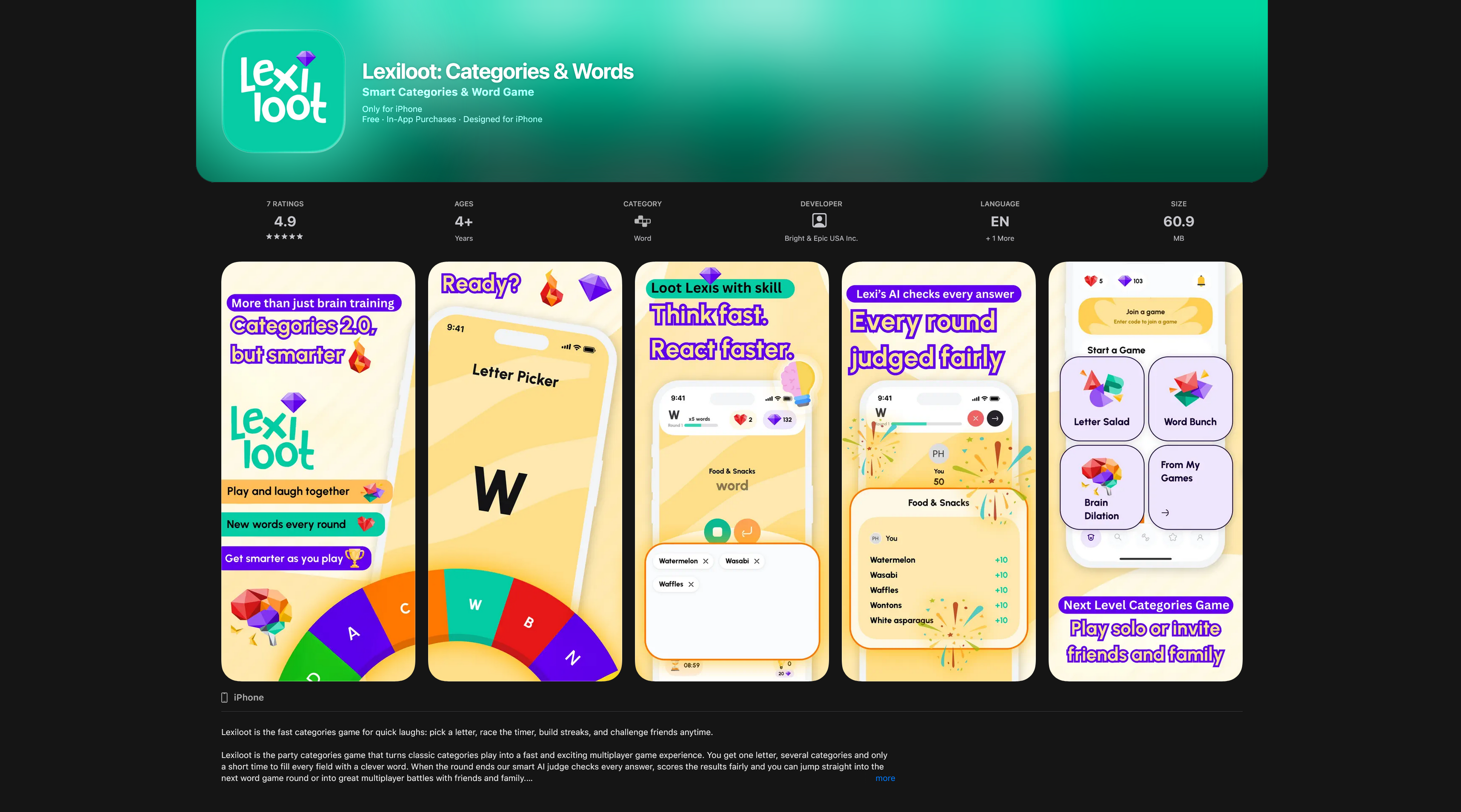
Our categories game for kids and classrooms applies adaptive difficulty and social features proven to increase retention. Try master category games online for effective brain training or explore our categories party game app for family-friendly multiplayer fun.
Pro Tip: Use Lexiloot’s multiplayer features to keep learning social and motivating, leveraging the 30% retention boost from collaborative gameplay.
Our pay-once model eliminates subscription fatigue while providing full access to vocabulary expansion features and cognitive training modes. Join players already benefiting from games designed around evidence-backed learning principles.
FAQ
What types of word games are most popular in 2026?
Category-based challenges, hybrid casual-educational modes, and multiplayer battle formats lead popularity rankings in 2026. Players favor games balancing entertainment with vocabulary skill-building rather than pure puzzle solving. Social features significantly influence selection decisions alongside core gameplay quality.
How do word games improve vocabulary and cognitive skills?
They employ targeted vocabulary expansions and adaptive difficulty to enhance language learning through contextual challenges. Cognitive training elements improve verbal working memory and processing speed through repeated engaged play. Combined approaches deliver dual benefits superior to isolated vocabulary study or generic brain training.
Should I choose pay-once or subscription word games?
Pay-once models offer transparent pricing and permanent access preferred by players avoiding subscription fatigue. Subscription games carry higher long-term costs and renewal requirements creating ongoing financial commitments. Consider your play frequency and budget, calculating six-month total expenses to determine which model provides better personal value.
Do all word games effectively teach vocabulary?
No, only 40% demonstrate measurable vocabulary gains according to effectiveness research. Quality varies dramatically based on learning science integration and intentional educational design. Evaluate games for explicit vocabulary frameworks, progress tracking, and adaptive systems rather than assuming any word puzzle improves language skills.

