


TL;DR:
- Well-designed games positively impact vocabulary, retention, problem-solving, and motivation.
- Effective learning games incorporate clear rules, challenges, mystery, and feedback for engagement.
- Technology like AI and AR enhances vocabulary learning but requires thoughtful integration and assessment.
Games often get dismissed as distractions in serious learning environments. Parents worry, teachers hesitate, and students end up playing in secret. But a growing body of research tells a very different story. Gamified learning shows a medium positive effect on learning outcomes, meaning games are not just fun, they are genuinely effective. This article walks you through the evidence, the science of game design, the role of technology, and practical steps to bring games into classrooms and homes in ways that actually work.
Table of Contents
- Why games matter: Proven benefits for learning and cognition
- The science behind game design: Elements that maximize learning
- Technology’s role: AI, digital games, and next-gen vocabulary learning
- Practical integration: Steps, best practices, and common pitfalls
- What most educators and parents miss about games in learning
- Discover tools and guides to power your learning with games
- Frequently asked questions
Key Takeaways
| Point | Details |
|---|---|
| Games enhance learning | Games measurably boost vocabulary, engagement, and cognitive skills when designed with optimal elements. |
| Design is critical | The best educational impact comes from combining challenge, mystery, and clear goals—without overloading learners. |
| Technology amplifies results | AI and digital platforms, including AR/VR, drive higher vocabulary retention and problem-solving abilities than traditional methods. |
| Practical integration matters | Evidence-based steps, ongoing assessment, and age-appropriate mechanics make games more effective in both classrooms and at home. |
Why games matter: Proven benefits for learning and cognition
For years, the conversation around games in education has been clouded by skepticism. Many educators and parents see games as something kids do instead of learning, not as learning itself. That view is changing fast, and the evidence behind that shift is solid.
Research consistently shows that games yield measurable improvements in vocabulary, retention, and cognitive abilities. When students play with purpose, their brains stay active, make connections, and store information more effectively than through passive reading or lecture alone. The brain scans what it already knows and builds new pathways when it encounters challenge and reward together, which is exactly what well-designed games provide.
Here are some of the most well-supported benefits of game-based learning:
- Vocabulary recall: Students who learn words through games remember them longer because the context is richer and more memorable.
- Category thinking: Games that organize words or concepts into groups help learners see relationships between ideas.
- Spelling fluency: Repeated exposure in a low-stakes, engaging environment builds spelling confidence without the pressure of a test.
- Problem-solving: Games require players to think through obstacles, which builds critical reasoning skills.
- Motivation: Game structures like points, levels, and feedback loops keep learners engaged far longer than worksheets.
The evidence on STEM learning is especially encouraging. Digital games significantly improve STEM learning outcomes, especially problem-solving and critical thinking. This matters because these are skills that transfer across subjects and into real life.
One important nuance: not every game delivers the same results. Game design and duration both play a role in how effective a game actually is. A five-minute vocabulary puzzle used daily will outperform a one-time marathon session with a poorly structured game. Consistency and intentional design matter more than sheer screen time.
If you want to understand more about how gamifying vocabulary learning works for kids specifically, there is a lot of practical insight available. And if you are curious about how language games and cognitive growth connect, the research there is equally encouraging.
“Games are not the opposite of learning. When designed well, they are one of the most effective learning tools we have.”
The science behind game design: Elements that maximize learning
With the proven impact in mind, it is vital to understand what makes a game truly effective for learning. Not all games are created equal, and the difference often comes down to specific design elements.
Research shows that optimal combinations like Rules/Goals + Challenge + Mystery maximize educational impact. When a game has clear rules, a meaningful goal, a level of difficulty that stretches the learner, and an element of surprise or discovery, it creates the conditions for deep engagement and real learning.
Here is a quick comparison of game design approaches and their learning impact:
| Game element | Low presence | High presence |
|---|---|---|
| Clear rules and goals | Confusion, disengagement | Focus, direction |
| Challenge level | Boredom or frustration | Optimal learning zone |
| Mystery or discovery | Predictable, forgettable | Curiosity, retention |
| Feedback loops | No progress awareness | Motivation, self-correction |
| Social or competitive play | Isolated experience | Engagement, accountability |
The sweet spot is a game that challenges learners just enough to keep them trying without overwhelming them. This is sometimes called the “flow state,” where difficulty and skill are balanced.
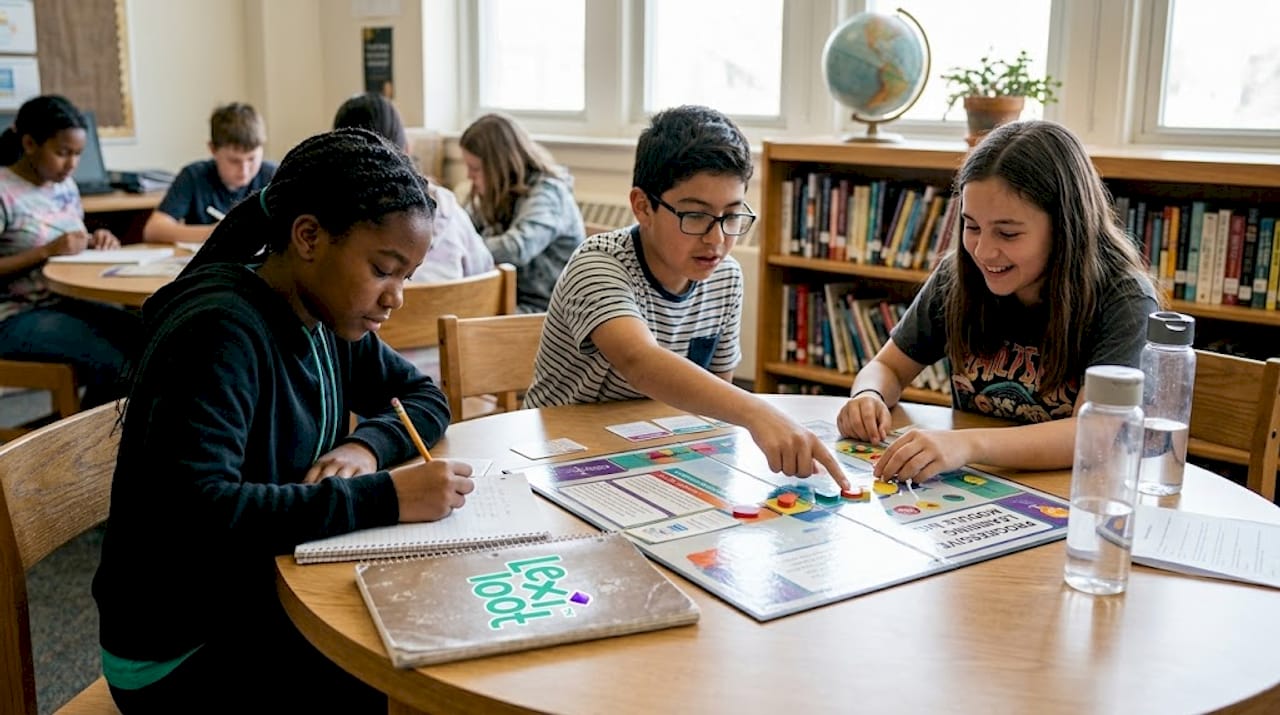
Pro Tip: Avoid introducing too many game mechanics at once. When learners have to figure out complex rules while also trying to absorb new vocabulary, cognitive overload kicks in and learning drops. Start simple and layer in complexity gradually.
Some of the most effective categories game elements include sorting tasks, timed challenges, and progressive difficulty. These keep kids focused without tipping into frustration. Similarly, engaging vocabulary games that use visual cues, sound, and repetition tend to outperform text-heavy formats.
For educators who want to go deeper on how to evaluate game effectiveness, there are solid frameworks available that look at transfer of learning, engagement metrics, and long-term retention.
The takeaway here is simple: design matters. Choosing or building a game with intention, rather than just grabbing whatever is available, makes a significant difference in what students actually learn.
Technology’s role: AI, digital games, and next-gen vocabulary learning
Effective game elements are only part of the story. Technology is reshaping how games are delivered and experienced in education, and the results are impressive.
One of the most striking recent findings is that AI-generated storytelling outperforms gamified learning apps and traditional methods in EFL vocabulary retention. This means that when AI creates personalized, adaptive narratives for learners, the vocabulary sticks better than it does with standard drills or even popular gamified platforms. That is a meaningful shift in how we should think about technology in the classroom.
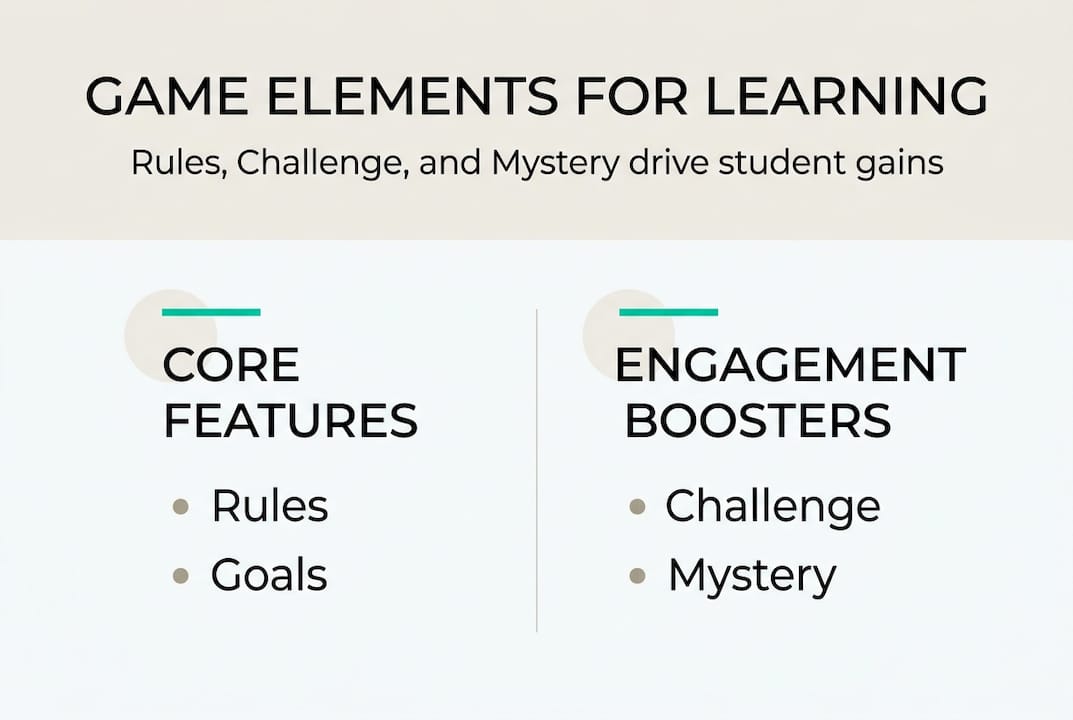
Additionally, AI-driven gamification promotes primary English vocabulary acquisition, giving younger learners a structured but playful path to building word knowledge.
Here is how different technology-enhanced approaches compare:
| Approach | Vocabulary gain | Engagement | Cognitive skill development |
|---|---|---|---|
| Traditional drills | Low to moderate | Low | Minimal |
| Gamified apps (standard) | Moderate | High | Moderate |
| AI-generated storytelling | High | High | Strong |
| AR/VR game environments | High | Very high | Strong |
| Competitive multiplayer games | Moderate to high | Very high | Moderate to strong |
So what does this mean practically? Here are the steps to consider when choosing technology-enhanced games:
- Identify your learning goal first. Vocabulary retention, problem-solving, and spelling fluency each call for different tools.
- Look for adaptive features. Games that adjust difficulty based on student performance keep learners in the optimal challenge zone.
- Prioritize metacognitive support. The best digital games prompt learners to reflect on their choices, which builds self-awareness and deeper understanding.
- Consider competitive modes. For some learners, especially older students, competitive formats drive stronger engagement and better outcomes.
- Evaluate AR/VR options. Immersive environments can be especially effective for learners who struggle with traditional formats.
If you are looking for guidance on how to teach word games for better vocabulary outcomes, there are practical frameworks worth exploring. You can also stay current with word game trends that are shaping learning in 2026. For families, a word games workflow guide can help you build consistent habits at home.
“Technology does not replace good teaching. It amplifies it, especially when the tools are chosen with a clear learning purpose.”
Practical integration: Steps, best practices, and common pitfalls
Once you understand the science and technology, the next step is practical application, whether in a classroom, at home, or in self-study settings.
Here is a straightforward process for integrating games into your learning environment:
- Set a clear learning objective. Know what skill or vocabulary set you want to develop before choosing a game.
- Match the game to the learner’s age and level. A game that is too easy bores kids; one that is too hard discourages them.
- Start with short sessions. Ten to fifteen minutes of focused game play is often more effective than longer, unfocused sessions.
- Combine game types. Rotate between solo puzzles, category challenges, and multiplayer formats to keep engagement fresh.
- Debrief after playing. Ask learners what words they encountered, what strategies they used, and what they found difficult. This reflection deepens retention.
- Track progress over time. Use assessments or in-game data to see whether learning is actually happening.
Pro Tip: If you want to measure whether a game is truly working, use a simple pre-test and post-test approach. Compare scores before and after a game-based unit to see real progress. This gives you data, not just impressions.
Common pitfalls to avoid:
- Treating all games as equal. A trivia game and a vocabulary-building game are very different tools.
- Skipping assessment. Without measuring outcomes, you cannot know if the game is helping.
- Using games as rewards only. When games are positioned as treats rather than learning tools, students do not engage with them seriously.
- Ignoring duration. Near transfer is common in cognitive training, but far transfer is debated, which means short interventions may not produce lasting skills without sustained practice.
It is also worth noting that positive meta-analyses on game-based learning coexist with critiques about heterogeneity and publication bias. The honest takeaway is that games work, but they work best when integrated thoughtfully and assessed rigorously.
For more on how multiplayer games support cognitive growth, or how word games boost brainpower over time, there is solid evidence-backed reading available.
What most educators and parents miss about games in learning
Here is the honest truth that does not always make it into the conversation: most people treat games as a shortcut. They assume that adding any game to a lesson will automatically boost engagement and learning. That is not how it works.
The best outcomes come from deliberate, evidence-based game integration, not from simply making things fun. Fun is a byproduct of good design, not the goal itself. When educators choose games with specific vocabulary or cognitive goals in mind, and when they assess outcomes consistently, the results are genuinely impressive. When they do not, games become expensive time-fillers.
Short-term interventions often underdeliver. Research on edge cases shows that shorter interventions produce smaller effects, while AR/VR environments and competitive formats outperform narrative approaches for certain outcomes. This means the format you choose matters as much as the content.
Sustained, varied game use over weeks and months drives lasting vocabulary and cognitive gains. One week of word puzzles will not rewire a learner’s brain. A semester of intentional, varied game-based practice might. If you are curious about what casual brain gaming actually does for cognition, the research is more nuanced and more interesting than most people expect.
Discover tools and guides to power your learning with games
Now that you are equipped with evidence and strategy, here is where to continue your journey with game-driven learning. Lexiloot brings together word games, category challenges, and multiplayer competitions in one place, designed specifically for families, students, and educators who want learning to feel like play.
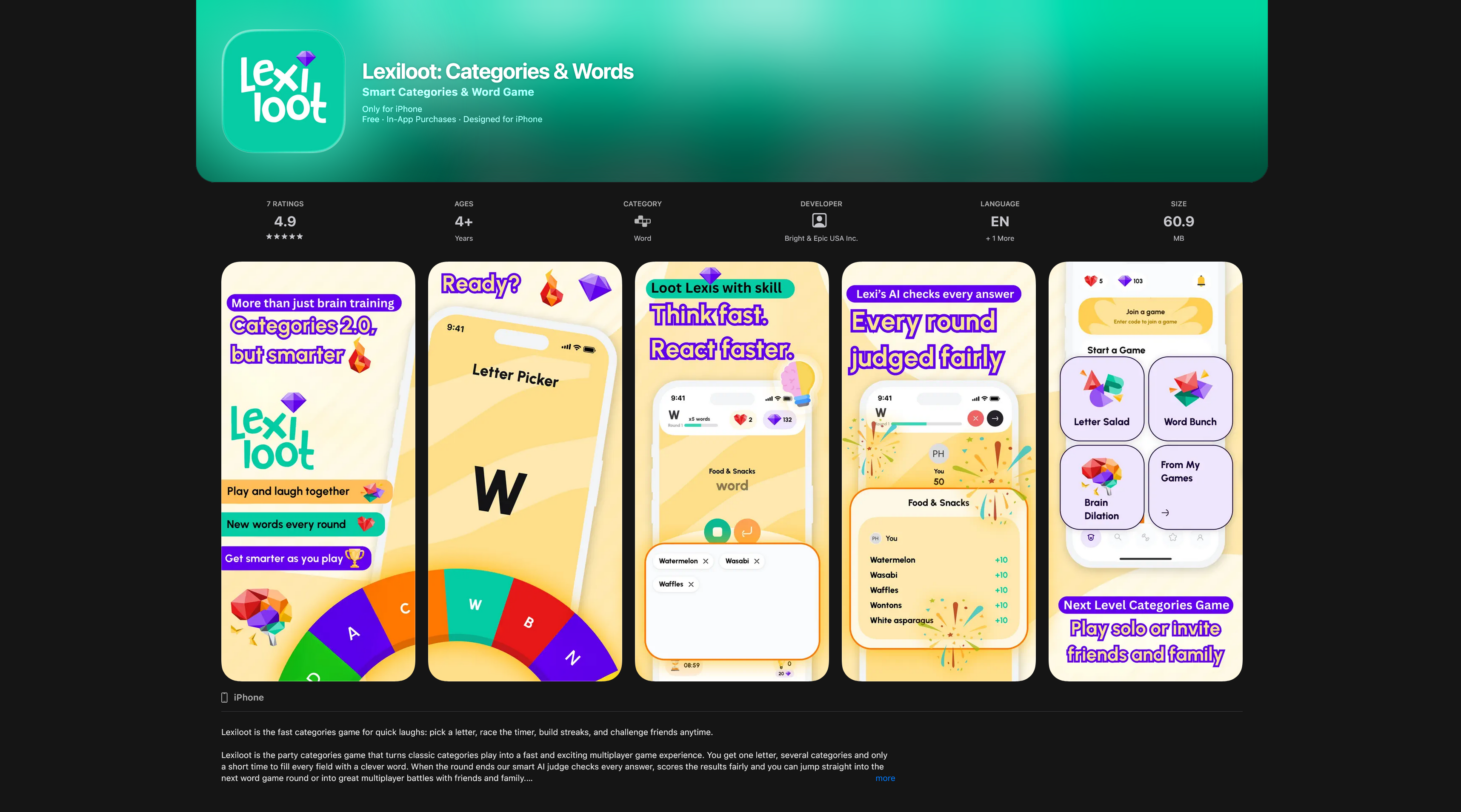
Whether you are looking for creative word games that build brainpower, resources on vocabulary and brainpower learning, or a deeper look at how language games support growth, Lexiloot has practical guides and game modes to match your goals. Explore the app and start building real word skills today, one game at a time.
Frequently asked questions
How do games improve vocabulary retention for students?
Games promote active engagement, repetition, and metacognitive strategies, and AI-driven gamification in particular has been shown to significantly boost primary English vocabulary acquisition. The combination of challenge and immediate feedback makes new words stick far better than passive study.
Which types of games work best for enhancing learning outcomes?
Games with Rules/Goals + Challenge + Mystery consistently produce the strongest educational results. Technology-enhanced and competitive formats also show strong gains, especially for older learners.
Does playing digital games offer different benefits than traditional games?
Yes. Digital games improve STEM outcomes in ways traditional games often cannot, including stronger problem-solving, critical thinking, and vocabulary retention, particularly when AI or AR/VR elements are involved.
Are there any common pitfalls when using games in education?
The most common pitfalls include cognitive overload, skipping assessment, and relying on short interventions that do not produce lasting transfer of skills. Sustained, varied game use with clear goals delivers the best long-term outcomes.
Recommended
- How word games boost vocabulary and brainpower in learning
- Multiplayer games: 35 studies prove cognitive growth
- 10 engaging vocabulary games to boost kids’ word skills
- Why gamify vocabulary learning: engaging kids in 2026
- 7 Strumenti per la didattica innovativa da utilizzare – Recupero Anni Scolastici e Diploma Online

