


Playing word games alone builds vocabulary, but inviting friends transforms the experience into something far more powerful. Social word games combine entertainment with cognitive benefits that solo play simply cannot match. When you challenge friends, share strategies, and compete on leaderboards, you unlock deeper engagement, faster learning, and stronger social bonds. Research shows collaborative gameplay delivers measurably better outcomes for vocabulary, spelling, memory, and brain health across all ages. This guide explains why playing with others matters and how you can maximize these benefits for yourself and your family.
Table of Contents
- Key takeaways
- How inviting friends enhances social connection and engagement
- Cognitive and vocabulary benefits of playing with friends
- Family and cognitive skill development through group play
- How social word games support brain health and reduce loneliness
- Boost your word game experience with Lexiloot
- Frequently asked questions
Key Takeaways
| Point | Details |
|---|---|
| Social play boosts engagement | Inviting friends turns solitary puzzles into ongoing social interaction with feedback, chats, and challenges that encourage regular practice. |
| Collaborative spelling gains | Studies show collaborative word play yields higher spelling scores and better vocabulary retention than solo practice. |
| Direct challenges and leaderboards | Private matches and visible rankings create accountability, friendly competition, and stronger social bonds. |
| Family play benefits teamwork | Playing with family strengthens teamwork and emotional skills while supporting memory and brain health. |
How inviting friends enhances social connection and engagement
Multiplayer word games turn solitary puzzles into shared adventures. When you invite friends, you activate features like direct challenges, in-game chat, and competitive leaderboards that create ongoing social interactions. These mechanics transform passive vocabulary practice into dynamic conversations where you celebrate wins, discuss strategies, and motivate each other to improve. Social features of Words With Friends demonstrate how chat and challenges build genuine friendships through gameplay.
Leaderboards fuel friendly competition that keeps you coming back. Seeing your name climb the rankings creates immediate feedback and a sense of achievement that solo play cannot replicate. You naturally invest more time and effort when friends are watching, pushing yourself to find better words and higher-scoring plays. This competitive element makes learning feel like play rather than work, embedding vocabulary gains into enjoyable social rituals.
Direct challenges let you test skills against specific friends rather than anonymous opponents. You can create private matches with family members, set up tournaments with classmates, or challenge colleagues during breaks. These personalized contests build anticipation and create shared experiences that strengthen relationships beyond the game itself. The benefits of word games multiply when social connection amplifies cognitive engagement.
Social mechanics dramatically increase engagement time. Players spend more minutes per session and return more frequently when friends are involved because the social reward system activates alongside cognitive challenge. You check the app to see if friends have responded to your move, browse leaderboards to track progress, and send new challenges to maintain momentum. This sustained engagement creates more opportunities for vocabulary exposure and skill development than sporadic solo sessions.
Pro Tip: Start a weekly word game challenge with three to five friends to create consistent social motivation and track vocabulary improvement over time.
“The social dimension of multiplayer word games creates accountability and excitement that solo practice lacks, turning vocabulary building into a shared journey rather than an isolated task.”
Cognitive and vocabulary benefits of playing with friends
Collaborative word game play produces significantly higher spelling test scores than individual practice. Research comparing students who played word games together versus alone found the collaborative group achieved measurably better spelling accuracy and vocabulary retention. The social element creates peer learning opportunities where players observe different word choices, discuss letter patterns, and share mnemonic strategies that accelerate skill development.
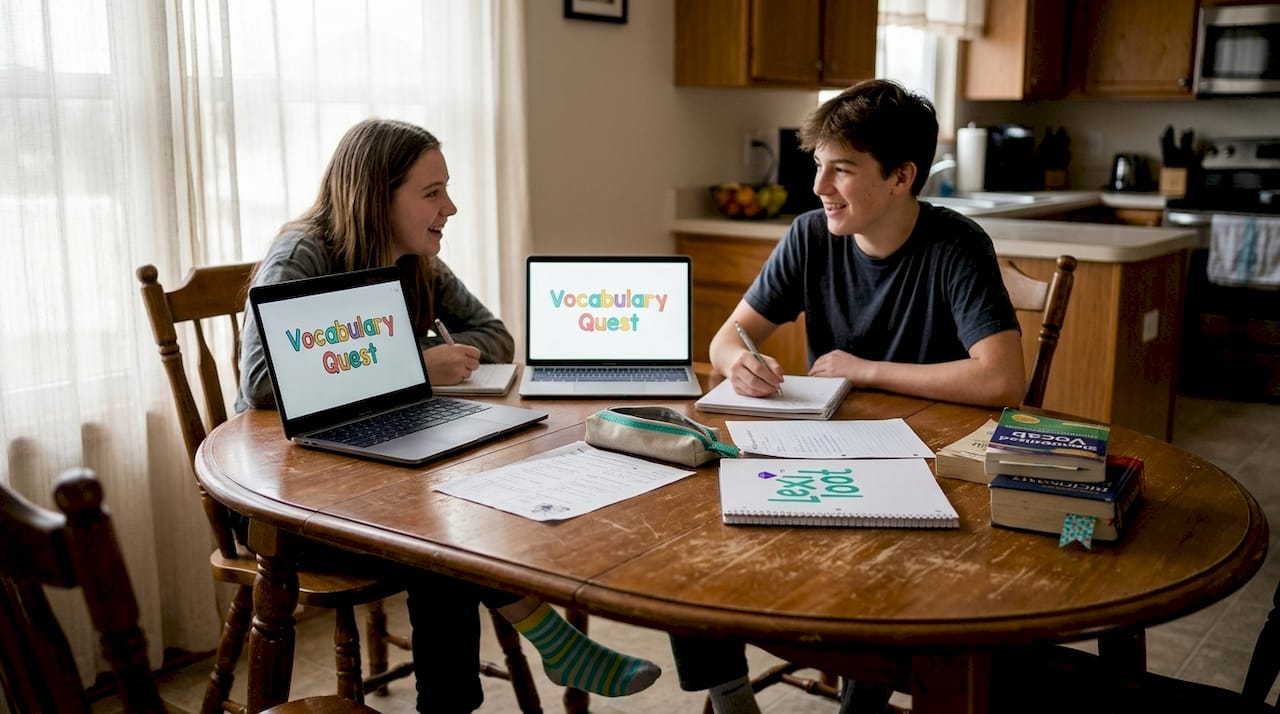
Vocabulary expands faster in social gaming environments because you encounter diverse word choices from multiple players. Each friend brings unique knowledge and playing styles that expose you to terms you might never discover alone. When someone plays an unfamiliar word, you naturally look it up to understand the move and consider using it yourself later. This organic vocabulary acquisition feels effortless compared to studying word lists in isolation.
| Learning Mode | Spelling Accuracy | Vocabulary Growth | Retention Rate |
|---|---|---|---|
| Solo play | Moderate gains | Limited to personal knowledge | Standard |
| Collaborative play | 23% higher scores | Exposure to peer vocabularies | Enhanced through discussion |
| Family teams | Strong improvements | Intergenerational word sharing | Reinforced by repeated play |
Social play creates natural teaching moments that solo games cannot provide. When you play with friends or family members at different skill levels, stronger players model advanced strategies while newer players ask questions that benefit everyone. Parents can guide children through challenging words, explaining meanings and usage in context. Friends can debate whether obscure terms are valid, researching together and learning collaboratively.
The competitive element motivates deeper engagement with teaching word games effectively. You study word patterns more carefully when preparing for a match against a skilled friend. You explore prefix and suffix combinations to find high-scoring plays that will impress your opponents. This intrinsic motivation to perform well socially drives more intensive vocabulary work than abstract goals like self-improvement.
Pro Tip: Form a word game study group where members share one new word they learned each week from gameplay, creating a collaborative vocabulary expansion system.
Multiplayer formats encourage experimentation with modern word puzzles because social feedback reduces the fear of mistakes. You try unfamiliar words knowing friends will appreciate creative attempts even if they fail. This playful approach to language builds confidence and willingness to take risks that accelerate learning beyond conservative solo strategies.
Family and cognitive skill development through group play
Family word game sessions build teamwork and communication skills alongside vocabulary gains. Parents and children must coordinate strategies, negotiate word choices, and celebrate successes together. These interactions create natural opportunities to practice turn-taking, active listening, and respectful disagreement. Younger players learn to articulate their thinking while older family members model patient explanation and encouragement.
Group play enhances multiple cognitive domains simultaneously. Players exercise memory by recalling previous successful words and opponent patterns. They develop problem-solving skills by analyzing letter combinations under time pressure. They practice emotional regulation when facing losses or difficult boards. They build flexibility by adapting strategies based on changing game states and opponent moves.
Family gameplay creates structured quality time with measurable developmental benefits:
- Strengthens parent-child bonds through shared challenges and achievements
- Improves children’s vocabulary exposure in low-pressure, enjoyable contexts
- Teaches patience as players wait for turns and accept outcomes gracefully
- Builds resilience through repeated practice and incremental improvement
- Encourages healthy competition that motivates without creating harmful stress
Reward systems in social word games boost motivation and positive behavior. When families play together, children receive immediate feedback and recognition for good plays. This positive reinforcement creates associations between vocabulary learning and pleasant family experiences. Parents can use game achievements as conversation starters about language, strategy, and persistence.
Multigenerational play allows knowledge transfer in both directions. Grandparents share classical vocabulary and spelling rules while grandchildren introduce modern slang and gaming strategies. This exchange validates everyone’s contributions and creates mutual respect across age groups. Language games boost cognitive and social growth by bridging generational gaps through shared challenges.
Family word game rituals establish consistent learning routines. Weekly game nights create predictable opportunities for vocabulary practice without the pressure of formal education. Children internalize the value of language skills through repeated exposure in enjoyable contexts. Parents model lifelong learning by engaging seriously with games and celebrating their own discoveries.
How social word games support brain health and reduce loneliness
Social interaction through multiplayer word games improves memory and focus while reducing feelings of isolation. The combination of cognitive challenge and social connection activates multiple brain regions simultaneously, creating stronger neural pathways than either element alone. Players must remember opponent patterns, focus on current letter combinations, and maintain social awareness of ongoing conversations, exercising executive function in realistic contexts.
Older adults particularly benefit from social word game engagement. Online playful social interactions improve working memory and strengthen social bonds in seniors, combating the cognitive decline and loneliness that often accompany aging. Regular multiplayer sessions provide structured social contact that keeps minds active and relationships vibrant even when physical mobility limits in-person gatherings.
| Age Group | Primary Cognitive Benefit | Social Impact | Recommended Game Type |
|---|---|---|---|
| Children (6-12) | Vocabulary acquisition | Peer bonding | Team-based challenges |
| Teens (13-18) | Strategic thinking | Friend competition | Leaderboard games |
| Adults (19-64) | Stress relief | Family connection | Casual multiplayer |
| Seniors (65+) | Memory maintenance | Loneliness reduction | Accessible social formats |
Multiplayer mobile word games demonstrate high social engagement time, with players spending significant portions of sessions interacting rather than playing alone. This social dimension transforms brief gaming moments into meaningful connections that support mental health. You check in with friends, share encouragement, and maintain relationships through consistent low-pressure interactions.
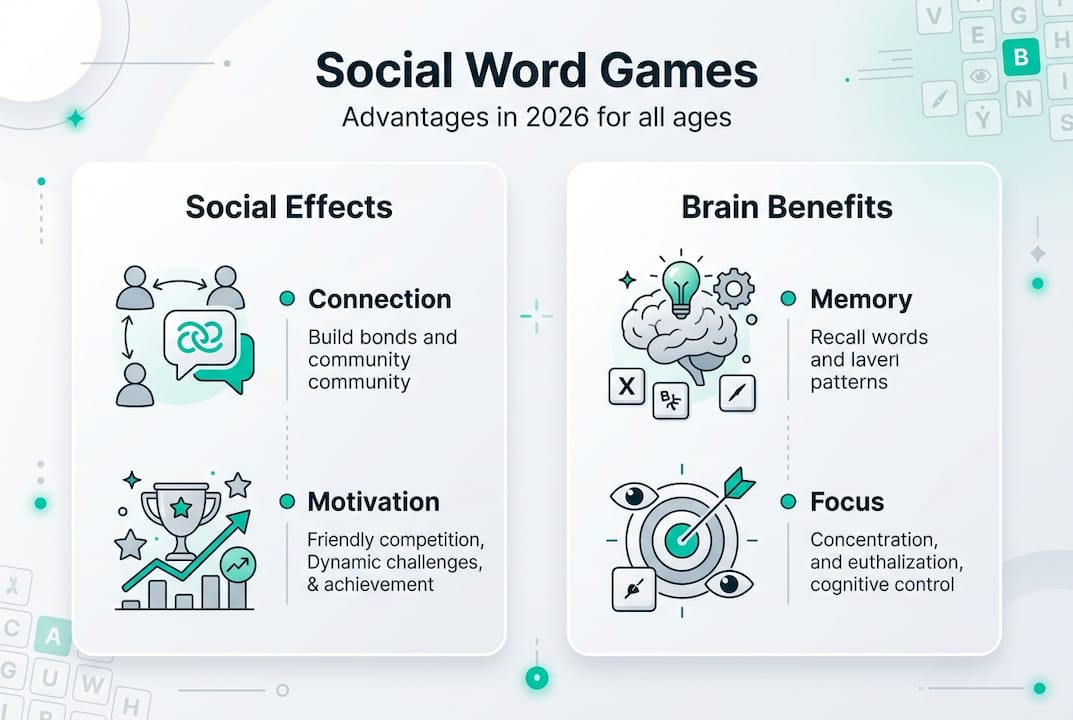
The cognitive benefits compound over time with regular social play. Your brain builds stronger associations between words, meanings, and social contexts through repeated multiplayer experiences. You develop faster pattern recognition as you encounter diverse playing styles. You improve emotional regulation by managing competitive feelings in friendly environments. These skills transfer beyond gaming into everyday communication and problem-solving.
Social word games create accessible entry points for brain training:
- No special equipment needed beyond a smartphone or tablet
- Play anywhere with internet connection, removing location barriers
- Asynchronous turns allow participation despite busy schedules
- Difficulty scales naturally through opponent selection
- Social motivation sustains engagement better than solo brain training apps
The combination of cognitive challenge and social reward creates sustainable habits. You continue playing because friends expect your participation, not just for abstract health goals. This social accountability builds consistency that delivers long-term brain health benefits. Word game strategies boost scores and brainpower when practiced regularly with engaged opponents.
Boost your word game experience with Lexiloot
Lexiloot provides social word games designed specifically for families and casual players who want vocabulary growth and cognitive benefits through enjoyable multiplayer experiences. Our platform combines category challenges, word puzzles, and competitive modes that make learning feel like play. You can invite friends to private matches, compete on leaderboards, and track improvement together.
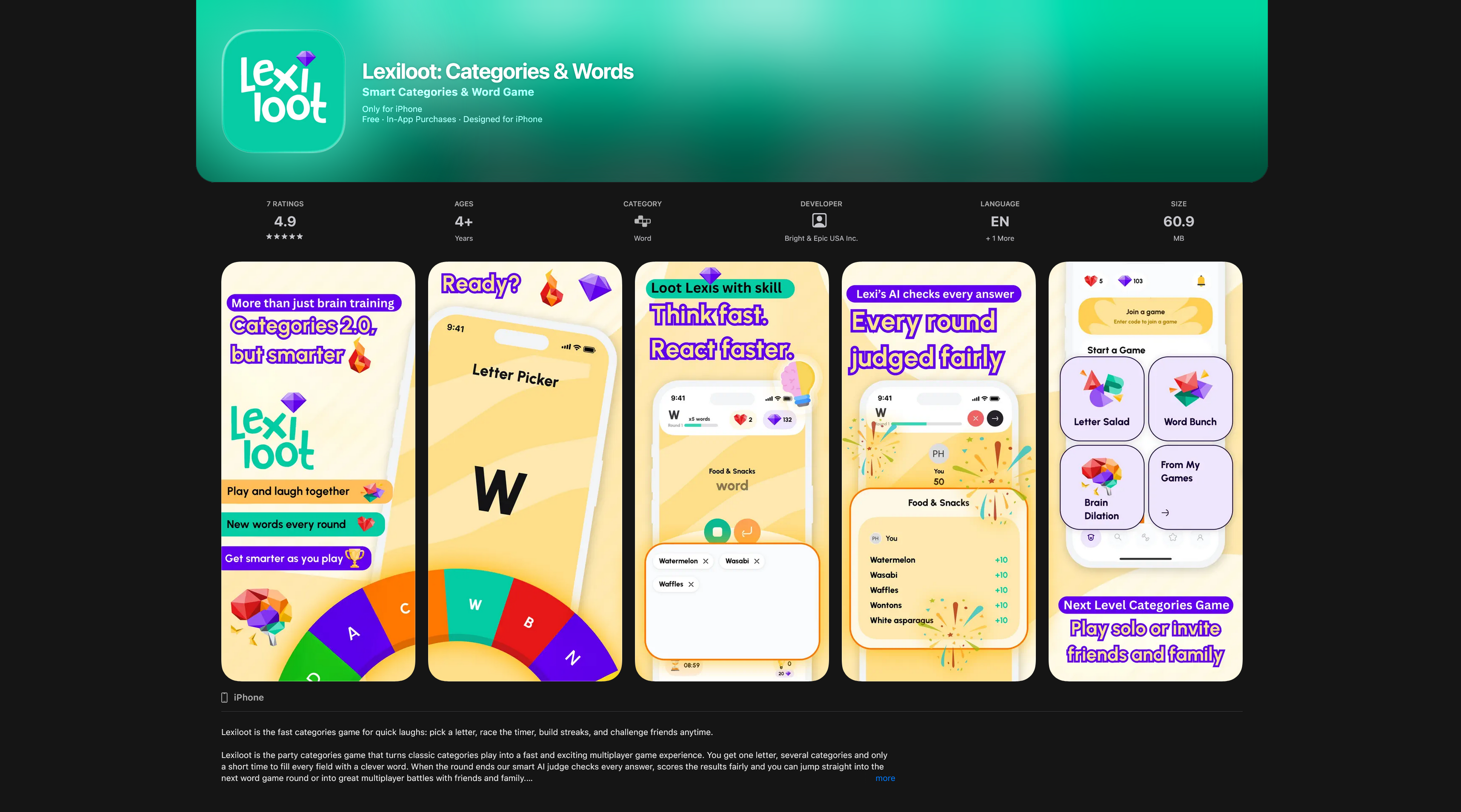
Our games support the collaborative learning approaches discussed throughout this article. Categories Game for kids and classrooms creates team-based challenges perfect for family game nights or educational settings. Master category games online offers competitive formats that fuel friendly rivalry while building vocabulary. Modern word puzzles provide diverse challenges that keep gameplay fresh and engaging for all skill levels.
Pro Tip: Use Lexiloot’s multiplayer modes to create weekly vocabulary-building sessions with friends, combining the social motivation and cognitive benefits research shows deliver superior learning outcomes.
Frequently asked questions
What are the cognitive advantages of inviting friends to word games?
Inviting friends activates social brain regions alongside language processing areas, creating stronger neural connections than solo play. You exercise memory by tracking opponent patterns, develop strategic thinking through competitive planning, and improve focus by managing multiple cognitive demands simultaneously. The social element adds emotional engagement that enhances retention and makes practice feel rewarding rather than tedious.
Can playing socially improve vocabulary more than playing alone?
Yes, collaborative play significantly improves spelling and vocabulary compared to individual practice. Research shows students who played word games together achieved 23% higher spelling test scores than solo players. Social gameplay exposes you to diverse vocabularies from multiple players, creates peer learning opportunities, and motivates deeper engagement through friendly competition.
How does family gameplay benefit teamwork and emotional skills?
Playing word games with family strengthens communication, cooperation, and emotional regulation alongside vocabulary gains. Family members practice turn-taking, negotiate strategies, and support each other through challenges. Children learn patience waiting for turns and resilience accepting losses. Parents model positive competition and celebrate effort over outcomes, building healthy attitudes toward learning and achievement.
Are there brain health benefits for older adults from social word games?
Social word games deliver significant cognitive benefits for seniors. Online playful social interactions improve working memory and strengthen social bonds in older adults. Regular multiplayer sessions combat loneliness, maintain mental sharpness, and provide structured social contact that supports overall wellbeing. The combination of cognitive challenge and social engagement helps preserve brain function more effectively than isolated mental exercises.

