


TL;DR:
- Gamified learning uses game elements to boost engagement, motivation, and vocabulary retention.
- It is most effective when mechanics directly align with clear learning goals.
- Poorly designed gamification can lead to motivation burnout and decreased long-term retention.
Traditional lessons can leave kids staring at the ceiling while their brains quietly check out. Gamified learning flips that script by turning vocabulary practice and cognitive challenges into interactive experiences that feel genuinely fun. Gamified learning significantly enhances engagement and vocabulary mastery, and the research behind it is hard to ignore. This guide walks you through what gamified learning actually is, how it differs from game-based learning, what the evidence says about vocabulary and cognitive gains, and where the real pitfalls hide. Whether you are a teacher, a parent, or a student, you will leave with a clear picture of how to use these tools well.
Table of Contents
- Defining gamified learning: Principles and mechanics
- Gamified learning vs. game-based learning: Distinctions and best uses
- Real-world impact: Evidence for vocabulary and cognitive improvement
- Drawbacks and expert nuances: What most people miss
- A fresh take: Designing gamified learning that actually works
- Find your next gamified learning tool
- Frequently asked questions
Key Takeaways
| Point | Details |
|---|---|
| Boosts engagement | Gamified learning motivates students by turning lessons into interactive challenges with clear rewards. |
| Improves vocabulary retention | Research shows students achieve higher vocabulary mastery and recall with gamified methods, especially via apps. |
| Works best with deep, meaningful design | Success depends on balancing rewards with autonomy, crafting narratives, and aligning with learning objectives. |
| Pitfalls exist | Poor gamified setups can cause stress, lower creativity, and drop long-term motivation if not handled carefully. |
| Easy to start | Educators, parents, and students can access gamified learning tools like Lexiloot and Duolingo for direct implementation. |
Defining gamified learning: Principles and mechanics
Let’s start with a clean definition. Gamified learning is the application of game design elements and principles into educational contexts to enhance engagement, motivation, and learning outcomes. Notice what that definition does NOT say: it does not say you turn class into a video game. You keep the lesson. You add the game layer on top.
So what does that game layer look like? Key mechanics include points, badges, leaderboards, challenges, levels, rewards, narratives, progression, feedback, and social elements. Each mechanic serves a specific psychological purpose. Points give immediate feedback. Leaderboards create social accountability. Narratives give meaning to otherwise dry content. Levels signal progress and keep learners moving forward.
The reason these mechanics work comes down to a well-supported idea in learning psychology called Self-Determination Theory. It says people stay motivated when three needs are met: autonomy (you have some control), competence (you feel capable), and relatedness (you feel connected to others). Well-designed game mechanics hit all three. You choose your challenge level, you earn visible progress, and you compete or collaborate with peers.
| Feature | Gamified learning | Traditional learning |
|---|---|---|
| Feedback speed | Immediate | Delayed (tests, grades) |
| Motivation source | Intrinsic + extrinsic | Mostly extrinsic |
| Student control | Moderate to high | Low |
| Social interaction | Built in | Optional |
| Progress visibility | Constant | Periodic |
For vocabulary and cognitive skill development, the most impactful mechanics are:
- Challenges and quests: Push learners to apply words in context, not just memorize definitions
- Immediate feedback loops: Let the brain correct errors while the memory trace is still fresh
- Leveling systems: Break large vocabulary goals into manageable milestones
- Social collaboration: Peer interaction strengthens vocabulary recall through discussion and repetition
- Narrative framing: Stories give words emotional weight, making them easier to remember
Research on implementation principles confirms that the design quality of these mechanics matters far more than the quantity.
“The most effective gamified systems are not the ones with the most points. They are the ones where every mechanic directly serves a learning goal.”
Pro Tip: Skip the simple point tally and build a short storyline around your vocabulary unit instead. Students who feel like characters in a story engage longer and recall words more accurately than those chasing numbers alone. You can read more about gamifying vocabulary learning to see this principle in action.
Gamified learning vs. game-based learning: Distinctions and best uses
People mix these two terms up constantly, and the confusion leads to poor decisions about which approach to use. They are related but meaningfully different.
Gamified learning takes your existing lesson or curriculum and layers game mechanics onto it. The content stays the same. You add points, challenges, or leaderboards to make it more engaging.
Game-based learning builds the lesson inside a full game environment. The game IS the curriculum. Think of a simulation where students manage a virtual ecosystem to learn biology, or a role-playing game where historical decisions shape outcomes.
Gamified learning adds game elements to existing content, while game-based learning uses full games. Platforms like Duolingo, Kahoot, and Classcraft each represent different points on this spectrum. Meta-analyses show medium to large positive effects of gamified learning on outcomes, especially for cognitive skills.
| Trait | Gamified learning | Game-based learning |
|---|---|---|
| Content source | Existing curriculum | Embedded in game design |
| Setup time | Low to moderate | High |
| Teacher control | High | Moderate |
| Best for | Vocabulary, recall, quick drills | Deep simulations, problem-solving |
| Example tools | Kahoot, Quizlet | Minecraft Education, Classcraft |
How do you choose the right approach? Follow these steps:
- Define your learning objective first. Is it vocabulary recall, spelling fluency, or deeper critical thinking? Gamified works best for the first two.
- Check your time constraints. Short class periods favor gamified overlays. Longer project blocks suit game-based designs.
- Assess your tech resources. Gamified tools often need less setup and fewer devices.
- Consider your students’ experience. New learners benefit from the familiar structure of gamified lessons before jumping into full game environments.
- Align every element. Every badge, challenge, or leaderboard must map directly to a skill you want students to build.
Gamified learning tends to outperform game-based approaches for short, focused interventions on vocabulary and cognitive skills. You can explore current word game trends or check practical guides on teaching word games for classroom-ready examples. For a deeper look at design strategies, gamification strategies from industry experts offer solid frameworks.
Pro Tip: Always write your learning objective before you pick a game mechanic. If you cannot explain how a badge or leaderboard supports that objective, cut it.
Real-world impact: Evidence for vocabulary and cognitive improvement
You need more than theory. Here is what the research actually shows when gamified learning is applied to vocabulary and cognitive skill development.
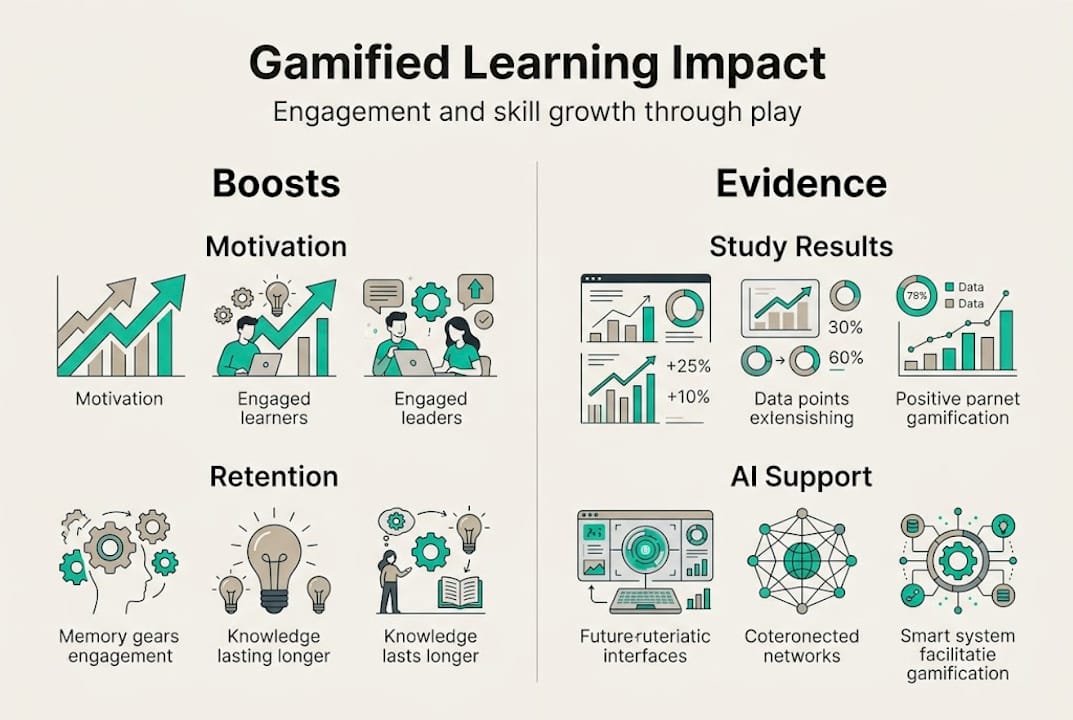
Studies show significant improvements: gamified groups show higher motivation and vocabulary retention, AI-enhanced gamification produces effect sizes of d=0.72 for vocabulary and d=0.68 for metacognition, Duolingo pretesting shows d=0.18 to 0.40 for recall, and over 85% phonics mastery was achieved with gamified methods compared to control groups. Meta-analyses confirm medium to large positive effects, with an overall effect size of d=0.566, rising to d=0.875 for cognitive skills in collaborative settings.
| Outcome area | Effect size | Setting |
|---|---|---|
| Vocabulary retention | d=0.72 | AI-gamified classrooms |
| Metacognition | d=0.68 | AI-gamified classrooms |
| Phonics mastery | Over 85% | Gamified vs. control |
| Overall learning | d=0.566 | Meta-analysis |
| Cognitive skills (collaborative) | d=0.875 | Group gamified settings |
Key findings from specific platforms and studies include:
- Duolingo: Pretesting combined with gamified repetition produces measurable recall gains, especially for younger learners building foundational vocabulary
- AI-enhanced gamification: Adaptive systems that adjust difficulty in real time produce the strongest vocabulary and metacognition gains
- Collaborative setups: When students compete or cooperate in groups, cognitive skill gains nearly double compared to solo gamified practice
- Phonics and spelling: Gamified drill methods consistently outperform traditional worksheets for early literacy skills
For families, this means a well-chosen app or game night activity can genuinely move the needle on your child’s vocabulary. For teachers, short gamified warm-ups before lessons can prime vocabulary recall so new content sticks faster. Explore engaging vocabulary games for classroom ideas, or browse family vocabulary games for home use. Additional vocabulary retention research and cognitive skill studies back these findings with strong sample sizes.
Drawbacks and expert nuances: What most people miss
Strong results do not mean gamified learning is risk-free. Several well-documented problems appear when it is designed or used poorly, and understanding them helps you avoid the traps.
The biggest risk is called the overjustification effect. When you reward students for something they already enjoy, the external reward can actually crowd out their natural curiosity. A child who loves reading for fun may start to read only when points are on offer. Over time, intrinsic motivation drops.
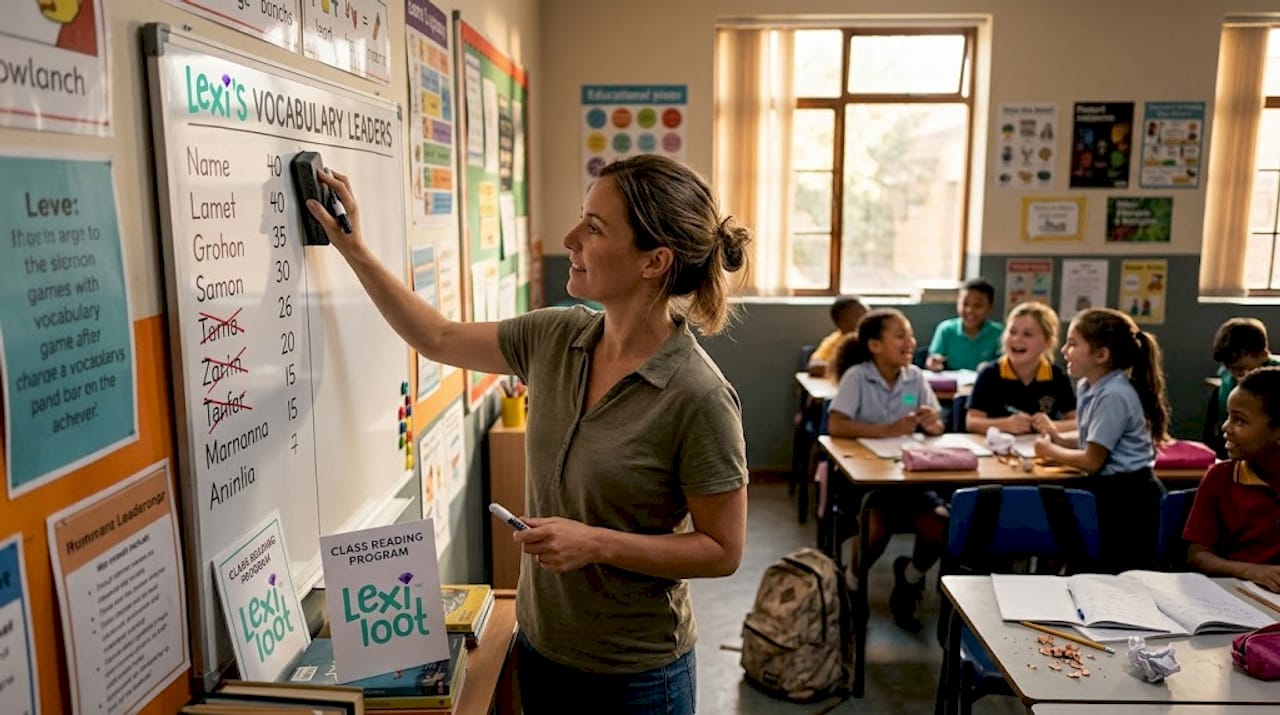
Shallow “PBL” implementation fails. Stacking points, badges, and leaderboards without deeper design leads to overjustification, novelty fade, ignored player types, motivation displacement, and long-term retention drops. Positive engagement and motivation are reported, but critiques highlight failures in retention, stress from competition, and screen-based learning performing below print in some literacy contexts.
Common pitfalls and how to avoid them:
- Novelty fade: Students get excited for two weeks, then disengage. Fix this by rotating mechanics and introducing new challenges regularly.
- Competition stress: Leaderboards can demotivate students who consistently rank low. Use team-based boards or personal best tracking instead.
- Ignoring player types: Some learners are driven by exploration, others by achievement, others by social connection. One mechanic does not fit all.
- Weak content hidden by games: If the underlying lesson is thin, no amount of points will produce lasting learning. Games amplify content quality, they do not replace it.
- Screen fatigue: Heavy app use without breaks can reduce focus and, in some literacy contexts, underperform compared to print-based practice.
For guidance on gamification risks and how to mitigate them, recent clinical and educational research offers practical frameworks. You can also find balanced approaches in resources about Categories Game for Kids and reviews of categories game apps that prioritize thoughtful design.
“Long-term engagement drops below control groups in poorly designed gamified systems, where rewards replace rather than support the learning experience.”
Pro Tip: Balance every reward with a moment of student choice. Let learners pick their next challenge, set a personal vocabulary goal, or choose how they want to demonstrate mastery. Autonomy is the antidote to motivation displacement.
A fresh take: Designing gamified learning that actually works
Most articles about gamified learning spend 80% of their time on points and badges. That focus misses the real driver of lasting engagement. The students who keep coming back to a gamified system are not chasing points. They are inside a story, working toward a goal that feels personally meaningful.
The practical lesson here is to lead with narrative and challenge, not reward mechanics. A vocabulary quest where students help a character escape a word maze will outlast any leaderboard. Short, frequent sessions of 10 to 15 minutes beat long weekly game days every time, because the brain consolidates vocabulary best through spaced repetition.
Blending gamified and traditional approaches also matters more than most guides admit. Games work as an accelerant for well-structured content, not a replacement for it. When you pair modern word puzzles with direct vocabulary instruction, the combination outperforms either method alone. Let students set their own word goals within the game structure, and you will see motivation that sustains well past the novelty phase.
Find your next gamified learning tool
If you are ready to move from theory to practice, Lexiloot gives you a direct path. The app combines category challenges, vocabulary builders, and multiplayer word battles in one place, making it easy for teachers to run classroom competitions and for families to turn game night into genuine brain training.
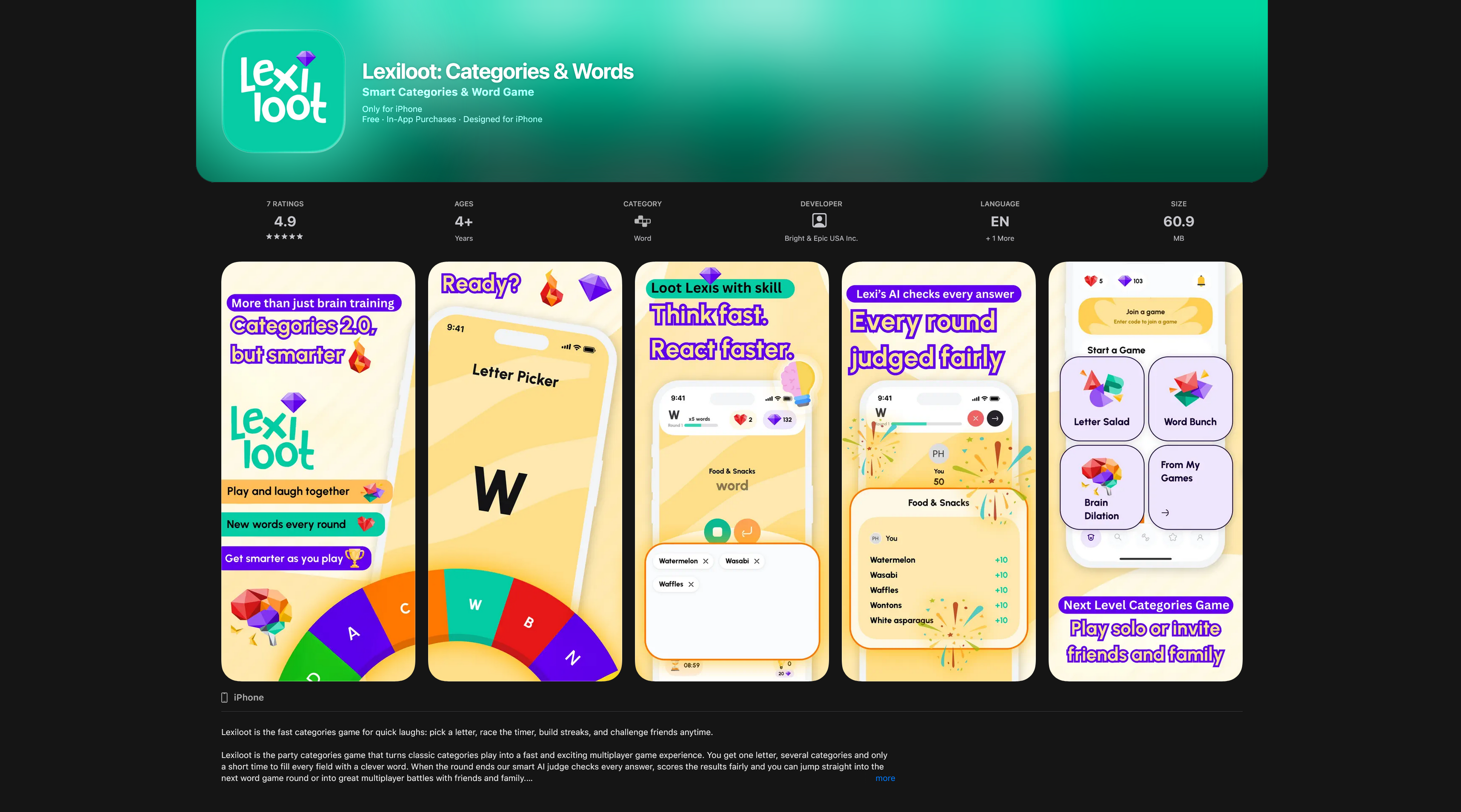
Lexiloot’s pay-once model means no subscription stress, and the variety of game modes keeps the experience fresh long after the novelty of a new app would normally fade. Whether you want creative word game examples for your next lesson or a fun challenge to share with your kids tonight, Lexiloot has a mode that fits. Download the app and start building vocabulary skills that actually stick.
Frequently asked questions
What is the difference between gamified learning and game-based learning?
Gamified learning adds game elements to regular lessons, while game-based learning centers the lesson in a full game environment. The key distinction is whether the game layer wraps existing content or replaces it entirely.
Do gamified learning methods improve vocabulary retention?
Yes. Gamified groups show higher motivation and vocabulary retention, with Duolingo pretesting showing recall effect sizes of d=0.18 to 0.40 and phonics mastery exceeding 85% in gamified conditions. App-based and group settings tend to produce the strongest results.
What are the main risks or drawbacks of gamified learning?
Expert critique identifies motivation displacement, stress from competition, novelty fade, and lower long-term retention as the primary risks when gamified elements are not deeply integrated with learning goals.
Which platforms use gamified learning for vocabulary and cognitive skills?
Popular platforms include Duolingo, Kahoot, and Classcraft, each offering quizzes, leaderboards, and challenge-based activities designed to build vocabulary recall and cognitive engagement.

