


TL;DR:
- Non-invasive brain stimulation uses electrical currents or magnetic pulses to influence neuron activity and cognitive functions. Research shows it can moderately enhance memory, language, and executive functioning, especially in clinical populations. Well-designed cognitive games incorporate stimulation principles, offering accessible, engaging ways to boost learning and mental sharpness.
Most people picture brain stimulation as something that happens in a hospital, wired to machines and wrapped in clinical caution. That picture is only half the story. Today, non-invasive brain stimulation research is shaping how scientists, educators, and game designers think about learning, focus, and memory. Whether you are a parent curious about your child’s learning, a teacher looking for science-backed strategies, or a gamer who loves a sharp mental challenge, understanding brain stimulation gives you a real advantage. Let’s clear up the confusion and connect the science to something genuinely useful.
Table of Contents
- Demystifying brain stimulation: What it really means
- How brain stimulation boosts cognition and learning
- Not one-size-fits-all: Limits, personality, and personalization
- Brain stimulation in games: Potential and what’s real now
- Our take: Where brain stimulation meets meaningful play
- Level up your brain with science-powered games
- Frequently asked questions
Key Takeaways
| Point | Details |
|---|---|
| Brain stimulation basics | It means using electrical or magnetic pulses to influence brain function, often non-invasively. |
| Cognitive boost evidence | Research shows moderate gains in memory, executive function, and language from stimulation techniques. |
| Limits and nuances | Results depend on protocol, individual traits, and more; there’s no universal effect. |
| Games and engagement | Cognitive games can use principles of brain stimulation to make learning fun and effective, even without direct physical methods. |
| Safe exploration | Non-invasive brain stimulation is generally safe in research but follow best practices and evolving guidance. |
Demystifying brain stimulation: What it really means
Let’s start by stripping away confusion and defining exactly what brain stimulation is and what it isn’t.
Brain stimulation is the use of physical methods, including electrical currents, magnetic pulses, or direct implants, to influence how neurons (brain cells) fire and communicate. It is not just one technique. It is a whole family of approaches, each with different strengths, safety profiles, and ideal uses.
The main types you should know:
- tDCS (transcranial direct current stimulation): A gentle, steady electrical current is applied to the scalp through electrodes. It shifts the resting potential of neurons, making them either more or less likely to fire. Researchers use it to study attention, memory, and learning.
- tACS (transcranial alternating current stimulation): Instead of a constant current, tACS applies a wave-like, alternating current at specific frequencies. This targets brain rhythms (called oscillations), which are closely linked to how we process and store information.
- rTMS (repetitive transcranial magnetic stimulation): A magnetic coil held near the head delivers pulses that create tiny electrical currents deep in the brain tissue. It is non-invasive and already approved for treating depression in clinical settings.
- DBS (deep brain stimulation): This is the invasive option. A surgeon implants electrodes directly into specific brain regions. Deep brain stimulation is used for serious conditions like Parkinson’s disease and severe epilepsy. It is not something you would encounter outside a medical setting.
| Method | Invasive? | How it works | Primary use |
|---|---|---|---|
| tDCS | No | Steady DC current via scalp electrodes | Memory, attention research |
| tACS | No | Alternating current at set frequencies | Brain rhythm tuning |
| rTMS | No | Magnetic pulses through the scalp | Depression, cognition research |
| DBS | Yes | Implanted electrodes in brain tissue | Parkinson’s, epilepsy treatment |
The important point here is that most of the excitement around cognitive enhancement involves the non-invasive options: tDCS, tACS, and rTMS. These are safe enough to be used in research with healthy volunteers and are inspiring a wave of interest in brain training terms used in educational games and apps.
Brain training games, like the kind built around vocabulary and categories, do not deliver electrical current to your scalp. Instead, they borrow the principles from stimulation research. They are designed to engage the same brain regions and cognitive processes that stimulation targets, using challenge, novelty, and reward to activate those circuits naturally.
Pro Tip: When you see a product claim that it “stimulates your brain,” check whether it means physical stimulation (electrical or magnetic) or cognitive stimulation through mental challenge. Both are real and valuable, but they work differently.
How brain stimulation boosts cognition and learning
With a solid definition in place, we can now explore why these methods are exciting for anyone wanting sharper focus or better memory.
The research findings are genuinely impressive. A meta-analysis of brain stimulation techniques found that rTMS improves global cognition with a standardized mean difference (SMD) of 0.44 in the short term and 0.29 in the long term. Language outcomes showed even stronger effects, with an SMD of 1.64. tDCS produced an SMD of 0.60 for memory and 0.39 for executive function. The overall effect size for brain stimulation techniques across cognitive disorders was an SMD of 0.56 for core symptoms. These are moderate to strong effects by research standards.
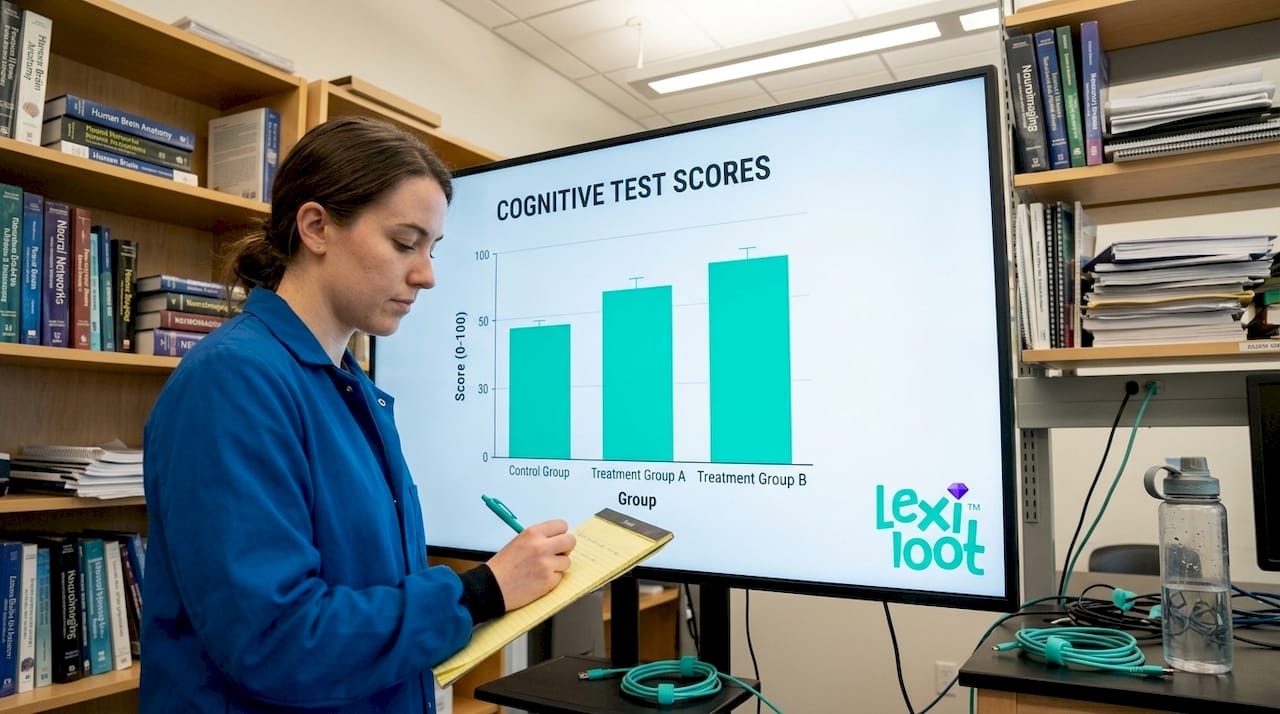
What does this mean in plain language? It means that targeted stimulation consistently moves the needle on real cognitive skills, not just test scores. It affects the kinds of thinking that matter for learning and daily life.
Here is how different techniques map to different cognitive areas:
| Cognitive area | Best-supported technique | Effect strength |
|---|---|---|
| Memory (short-term) | tDCS | Moderate (SMD 0.60) |
| Executive function | rTMS, tDCS | Moderate to strong |
| Language and vocabulary | rTMS | Strong (SMD 1.64) |
| Global cognition | rTMS | Moderate (SMD 0.44) |
| Attention | tDCS, tACS | Under active study |
“Brain stimulation is not a replacement for practice and learning. It is more like a spotlight that helps the brain pay closer attention to what you are practicing. The training still has to happen.”
This is why pairing stimulation with cognitive tasks produces the best results. The brain needs something to work on. Stimulation improves its readiness to learn, but the learning itself still requires active effort.
How this connects to cognitive games, step by step:
- Engagement activates the same regions. When you play a fast-paced word game, your prefrontal cortex (the area most associated with executive function) lights up. This mirrors what tDCS targets in research settings.
- Novelty and challenge drive neuroplasticity. Every time you encounter a new word category or an unfamiliar puzzle format, your brain adapts. This is the same adaptation that stimulation research aims to accelerate.
- Repetition strengthens pathways. Playing a vocabulary game repeatedly strengthens the neural connections tied to word recall and category thinking, just as repeated stimulation sessions consolidate neural changes in clinical studies.
- Social competition adds motivational load. When you play against a friend or compete on a leaderboard, your brain recruits additional reward circuits. This elevates engagement and retention in ways that solo practice often cannot.
You can find practical brain training tips that align beautifully with what the science says about engagement and challenge. And if you want to see what research-inspired brain training games look like in practice, there are great examples that show how these principles translate into actual play.
Not one-size-fits-all: Limits, personality, and personalization
However, the reality is more nuanced. There is no universal formula for success with brain stimulation.
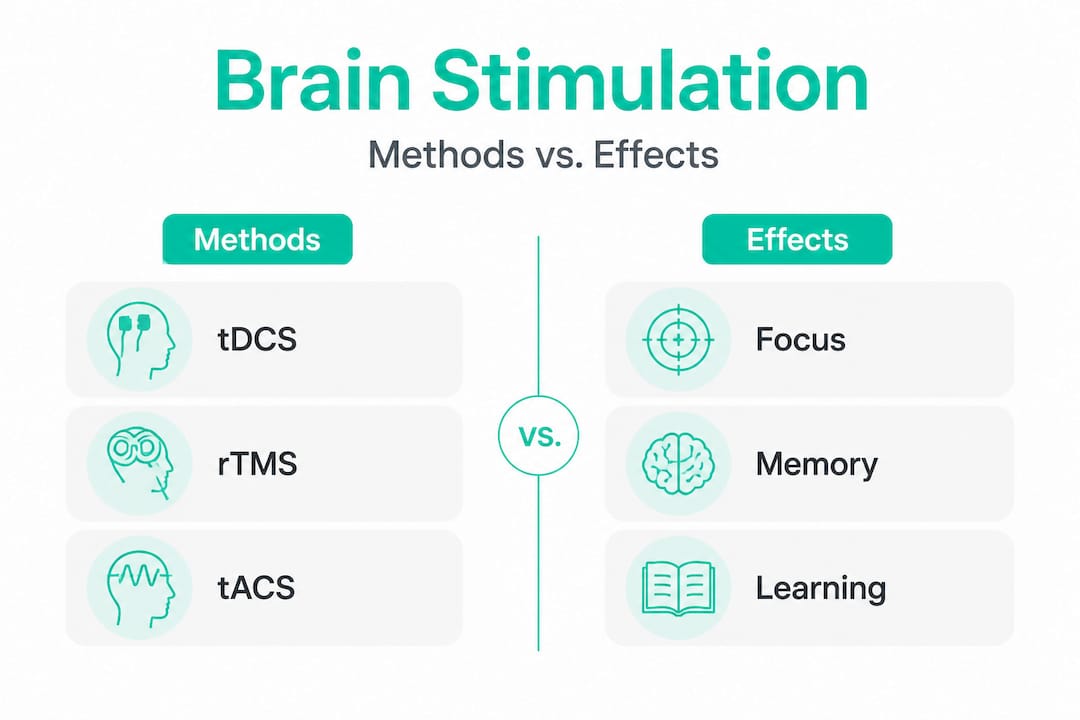
Research clearly shows that individual response to stimulation varies considerably based on protocol details, the specific cognitive target, personal characteristics, and even what someone was doing just before the session. Not everyone responds the same way to the same approach.
Factors that influence how well brain stimulation works:
- Age: Older adults and those with mild cognitive impairment (MCI) tend to show stronger measurable effects. Children’s developing brains respond differently than adult brains.
- Baseline cognitive level: People with more cognitive decline often show larger improvements, while healthy high-performers show smaller or inconsistent gains.
- Protocol specifics: The polarity of the current (which direction the electricity flows in tDCS), the frequency of tACS, the number of rTMS pulses, and the duration of sessions all affect outcomes significantly.
- Timing of training: Combining stimulation with a cognitive task during the session produces better results than stimulation alone or training alone.
- Education level: Higher baseline education can influence how the brain responds to stimulation, likely because of differences in existing neural connections.
- Consistency: Single sessions rarely produce lasting change. Most protocols require multiple sessions spread over days or weeks to consolidate any benefit.
This variability is not a reason to dismiss the field. It is a reason to be realistic. Brain stimulation is a tool, and like any tool, it works best when it fits the job and the person using it. Exploring the various types of brain games shows a similar truth: different game formats serve different cognitive goals, and matching the game to the learner matters.
Pro Tip: If you are using cognitive games for a child or student, pay attention to which game formats they genuinely enjoy and find slightly challenging. A game that feels too easy or too frustrating will not produce the engagement needed for real cognitive benefit.
Long-term effects are still being studied closely. Most research measures outcomes over weeks, not years. We do not yet have a complete picture of how sustained stimulation or sustained game-based training reshapes cognition over a lifetime. That is an honest limitation of the current science.
Brain stimulation in games: Potential and what’s real now
To connect the science to your daily life, let’s see how these concepts are starting to shape cognitive games and playful learning.
Non-invasive brain stimulation is considered safe and well tolerated in research settings, with mild, temporary side effects like scalp tingling being the most common reported issue. For healthy users without clinical conditions, the evidence for dramatic cognitive enhancement is more limited. A review published in Frontiers in Neuroscience notes that non-invasive methods show moderate effects and combine well with training games, but still need personalized protocols for healthy users before strong claims can be made. Another detailed review from eLife found that dual stimulation can boost long-term memory consolidation, while also noting that results are inconsistent across studies and that more evidence is needed, particularly for healthy populations.
What is possible right now, what is in progress, and what to avoid:
- Possible now: Cognitive games built on research-backed principles (timed challenges, category sorting, progressive difficulty, novel vocabulary exposure) activate the same brain networks that stimulation research targets.
- Possible now: Combining deliberate mental practice with games that reward strategy and sequence thinking can build executive function over time.
- In progress: Researchers are developing “closed-loop” systems that monitor brain activity in real time and adjust stimulation intensity or game difficulty automatically, creating a truly adaptive experience.
- In progress: Apps that track cognitive patterns over weeks to optimize when and how you train, inspired by what researchers know about circadian rhythms and brain readiness.
- Avoid: Consumer devices claiming medical-grade brain stimulation without clinical oversight. These carry real safety risks and produce unpredictable results outside a controlled research setting.
Games that incorporate step-by-step brain training approaches are doing something valuable right now. They use cognitive load, pacing, and variety to keep the brain working in the range where learning happens most efficiently. That is not just clever design. It reflects real neuroscience about how attention, challenge, and reward interact.
Our take: Where brain stimulation meets meaningful play
Stepping beyond the latest studies, here is how we see the intersection of science and everyday fun evolving.
We think there is a real risk of overhyping what brain stimulation can do on its own. The research is exciting, but it is also carefully qualified. Effects are moderate. They depend heavily on context. And they fade without reinforcement. If someone promises you a headset that will make you significantly smarter in two weeks, that is a claim the current science does not support.
What the science does support is this: the brain responds to challenge, novelty, and meaningful practice. Stimulation can help prime the brain to absorb those experiences more efficiently. But the experience itself still has to be rich, engaging, and sustained. That is where well-designed games come in.
We also believe the future belongs to personalized, adaptive play. Generic brain training fads have come and gone. What remains is the evidence that engagement, social motivation, and strategic challenge consistently support cognitive development across age groups. A child who plays vocabulary and category games with a friend, adapts to increasing difficulty, and feels genuinely excited about winning is experiencing a form of brain training that no clinical electrode can fully replicate.
The lasting cognitive gains that actually stick over time come from sustained, enjoyable, and socially connected practice. Brain stimulation research is pointing us toward why that works. Games are one of the most practical, accessible, and enjoyable ways to put it into action.
The most honest summary: brain stimulation is a fascinating and evolving science. It is not a magic shortcut. It is a magnifier. Pair it with the right kind of mental challenge, motivation, and consistency, and the results can be meaningful.
Level up your brain with science-powered games
Inspired to make science fun? Here is where you can try skill-building games today.
Lexiloot brings the principles behind cognitive research into a genuinely fun, family-friendly mobile game. Built around vocabulary building, category thinking, and word challenges, it gives your brain the kind of varied, progressive mental workout that research says matters most.
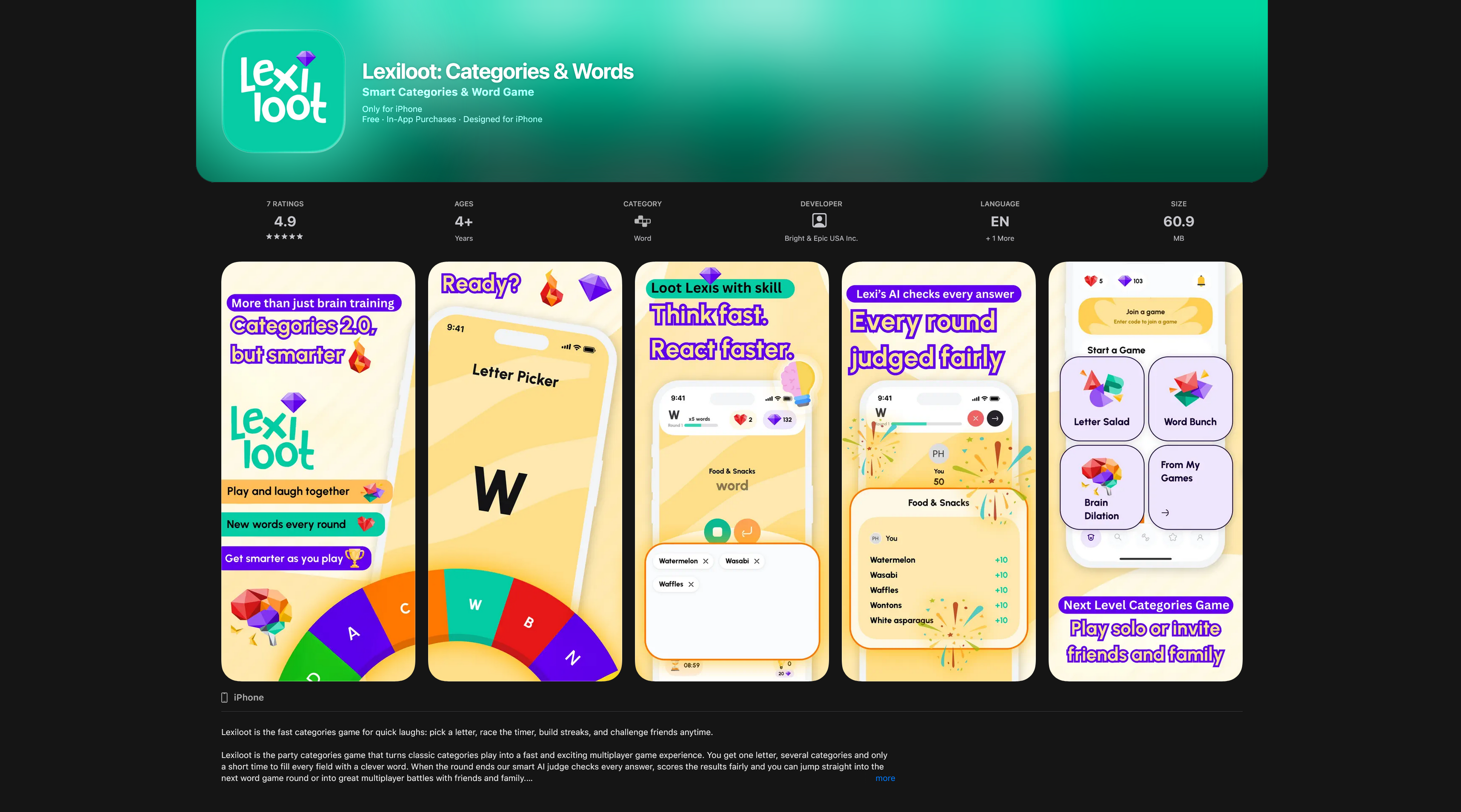
Explore evidence-based cognitive games designed with learning at the core. Whether you are a parent looking for something that benefits your kids, a teacher wanting a fun classroom tool, or a word game enthusiast ready for your next challenge, Lexiloot has a mode for you. Check out creative word game examples that keep vocabulary sharp and brains active, or dive into word games for brainpower and discover how much fun cognitive training can actually be. One payment, no subscriptions, and a whole world of brain-building play waiting for you.
Frequently asked questions
What is the difference between tDCS and tACS?
tDCS uses a steady, low-intensity DC electrical current to shift how easily neurons fire, while tACS applies alternating current at specific frequencies to influence the brain’s natural rhythms and oscillations.
Are brain stimulation techniques safe for healthy people?
Non-invasive brain stimulation is generally safe and well tolerated in research studies, but it should only be used under qualified research or clinical guidance rather than through unverified consumer products.
Can brain stimulation improve focus and memory?
Yes, research shows that rTMS and tDCS produce moderate to strong improvements in memory, language, and executive function, particularly in individuals with cognitive conditions.
Are brain training games based on real brain stimulation science?
Most games do not deliver physical stimulation, but many are designed using cognitive principles directly inspired by stimulation research, targeting the same brain regions and processes through challenge and novelty.
Who benefits most from brain stimulation?
Current evidence points most strongly to clinical groups like those with MCI or stroke recovery, though research for healthy adults is growing and showing promising early results.

