


Choosing the right word game from countless options can overwhelm players seeking specific cognitive benefits or social experiences. Different word games target distinct skills like vocabulary expansion, pattern recognition, or strategic thinking while offering varied formats from solo puzzles to competitive multiplayer battles. This guide breaks down selection criteria and explores popular word game types to help you match gameplay to your goals, skill level, and preferred play style for maximum enjoyment and learning.
Table of Contents
- How To Choose The Right Word Game: Selection Criteria
- Classic Word Game Types And Mechanical Differentiation
- Modern And Digital Word Game Variants
- Social And Competitive Word Game Formats
- Use Case Mapping And Player Suitability
- Pricing And Availability Of Word Games
- Situational Recommendations: Best Word Games For Your Needs
- Explore Lexiloot: The Fun Categories Word Game
Key takeaways
| Point | Details |
|---|---|
| Selection depends on multiple factors | Choose based on cognitive focus, gameplay style, age appropriateness, and platform availability. |
| Classic types serve different purposes | Letter arrangement, crossword, word search, and anagram games each develop unique cognitive skills. |
| Modern digital games add innovation | Daily challenges and multiplayer competition bring fresh engagement to traditional word puzzles. |
| Social formats boost motivation | Online communities, ranked play, and tournaments enhance learning through competition and interaction. |
| Match game to personal preferences | Align word game choice with your skill level, time availability, and social versus solo play preference. |
How to choose the right word game: selection criteria
Selecting the ideal word game requires evaluating several key factors that align with your personal goals and preferences. Start by identifying which cognitive skills you want to develop, whether vocabulary expansion, spelling accuracy, memory retention, or pattern recognition.
Gameplay style matters significantly when choosing between solo puzzle solving and multiplayer competition. Solo games offer flexible pacing and independent learning, while multiplayer formats provide social interaction and competitive motivation that many players find engaging.
Age and current skill level directly affect game suitability and enjoyment. Beginners benefit from simpler mechanics and shorter sessions, whereas experienced players often seek complex strategy and deeper vocabulary challenges that sustain long term interest.
Consider game complexity and typical session length when evaluating options. Quick daily puzzles fit busy schedules, while strategic board games require longer committed play periods. Platform availability across board games, mobile apps, or web browsers impacts convenience and accessibility for your lifestyle.
Pricing models influence adoption and ongoing engagement. Free games with ads, premium upgrades, pay once purchases, and subscription services each present different value propositions affecting your decision.
Pro Tip: Test multiple word game types through free trials or basic versions before committing to premium purchases, ensuring the gameplay style matches your actual preferences and schedule.
Classic word game types and mechanical differentiation
Traditional word games form the foundation of modern puzzle entertainment, each offering distinct mechanics and cognitive benefits. Understanding these classic formats helps you appreciate how different games target specific mental skills.
Letter arrangement games like Scrabble involve strategic placement and scoring based on letter values to build vocabulary and strategic thinking. Players compete by forming intersecting words on grids, maximizing points through premium squares and high value letters. These games reward deep vocabulary knowledge combined with spatial planning and tactical board positioning.
Crossword puzzles improve vocabulary and spatial reasoning by solving intersecting clues in grids. Players fill blank squares with words matching given hints, creating interlocking patterns that test both general knowledge and language skills. Difficulty ranges from simple daily puzzles to expert level challenges requiring specialized vocabulary.
Word search puzzles boost focus and concentration as players find listed words hidden in letter grids. This format works well for all ages, offering relaxing yet mentally stimulating gameplay that sharpens visual scanning and attention to detail without requiring extensive vocabulary.
Anagram games enhance mental agility by rearranging letters to form new words or phrases. These puzzles challenge players to recognize letter patterns and discover multiple word combinations from scrambled letters, developing flexible thinking and rapid word recall.
Each classic type varies in complexity and social format. Scrabble style games excel at competitive multiplayer, crosswords suit solo contemplative play, word searches accommodate casual family sessions, and anagrams provide quick mental workouts. Explore a Valentine’s special word game for themed variations on classic formats.
Pro Tip: Rotate between different classic game types weekly to develop well rounded cognitive skills rather than specializing in just one puzzle format.
Modern and digital word game variants
Contemporary digital word games transform traditional puzzles through technology, accessibility, and innovative social features. These modern variants reflect changing player lifestyles and preferences for quick, connected gaming experiences.
Wordle and Word Hustle popularized daily word challenges and incorporate some multiplayer modes for casual and competitive engagement. Wordle offers one puzzle per day, creating shared global experiences as millions attempt the same word simultaneously. Word Hustle adds competitive elements with timed rounds and opponent matching.

Mobile apps provide unprecedented convenience for word game enthusiasts. Players access puzzles anytime on smartphones or tablets, fitting quick sessions into commutes, breaks, or downtime. Cloud saving preserves progress across devices, enabling seamless transitions between phone and tablet gameplay.
Digital innovations blend traditional mechanics with modern twists like time limits, scoring multipliers, and achievement systems. These additions increase urgency and reward mastery, appealing to competitive players seeking measurable skill progression beyond simple puzzle completion.
Accessibility features in digital games widen appeal across skill levels. Adjustable difficulty, hint systems, and tutorial modes help newcomers learn mechanics gradually, while expert challenges and endless modes satisfy advanced players craving tougher tests.
Check out a free categories game online for road trips or try a Scattergories style alternative game that brings fresh approaches to category based word challenges.
Pro Tip: Set daily notification reminders for puzzle games to build consistent vocabulary practice habits without overwhelming your schedule.
Social and competitive word game formats
Multiplayer and community features transform word games from solitary activities into shared social experiences that boost motivation and skill development. Social formats create accountability and friendly competition that sustains long term engagement.
Multiplayer modes enable real time competition against friends or strangers worldwide. Players match wits in head to head battles, creating immediate feedback and social interaction that solo puzzles cannot provide. This format particularly appeals to competitive personalities who thrive on direct comparison and rankings.
Online platforms like Internet Scrabble Club facilitate ranked matches and tournaments fostering skill development and social engagement. Leaderboards display top performers, motivating players to climb ranks through consistent practice and strategic improvement. Seasonal competitions add variety and special rewards for dedicated participants.
Community tournaments create shared events where players unite around common challenges. These organized competitions build camaraderie among word game enthusiasts, offering networking opportunities and collective problem solving that enriches the gaming experience beyond individual achievement.
Games support both cooperative and competitive social play depending on format preferences. Team modes encourage collaboration and shared strategy, while free for all competitions test individual mastery. This flexibility accommodates different social dynamics and relationship contexts.
Competitive social play extends learning beyond cognitive benefits alone, adding motivational elements through community recognition, friendly rivalry, and collective achievement that make skill development more rewarding and sustainable over time.
Join a categories party word game session to experience how social formats enhance traditional word puzzle mechanics through real time interaction and competition.
Use case mapping and player suitability
Matching word game types to your specific goals, age group, and play preferences maximizes both enjoyment and cognitive benefits. Different games serve distinct purposes and player profiles.
Letter arrangement games excel for deep vocabulary building and strategy, word searches are ideal for casual and children’s learning, while daily challenges fit busy players. Understanding these alignments helps you invest time in games that truly match your objectives.
| Game Type | Best For | Cognitive Focus | Time Commitment | Social Format |
|---|---|---|---|---|
| Letter arrangement | Seasoned players seeking strategy | Vocabulary depth, spatial planning | 30 to 60 minutes | Competitive multiplayer |
| Crosswords | Solo learners, knowledge seekers | General knowledge, vocabulary breadth | 15 to 45 minutes | Primarily solo |
| Word search | Families, children, casual players | Focus, pattern recognition | 10 to 20 minutes | Flexible solo or group |
| Daily puzzles | Busy schedules, consistent practice | Quick vocabulary recall | 2 to 5 minutes | Shared global challenge |
| Multiplayer competitive | Social players, skill improvement | Strategic thinking, speed | 5 to 15 minutes per round | Head to head or tournaments |
Letter arrangement games suit experienced players wanting strategic depth and extensive vocabulary application. These formats reward long term investment in word knowledge and tactical thinking, making them ideal for serious enthusiasts.
Word searches and crosswords fit educational contexts like classrooms and family game nights. Their accessible mechanics and variable difficulty accommodate mixed age groups while providing clear learning value that parents and teachers appreciate.
Daily puzzle games serve time constrained players who want consistent engagement without lengthy sessions. These quick challenges build habits through brief daily practice, perfect for maintaining skills amid busy schedules.
Multiplayer games benefit competitive and community oriented players seeking social interaction alongside cognitive development. The combination of skill testing and relationship building creates powerful motivation for continued play and improvement.
Explore a categories game for kids and classrooms designed specifically for educational settings and young learners developing foundational vocabulary skills.
Pricing and availability of word games
Understanding pricing models and platform options helps you select accessible, affordable word games that fit your budget and preferred devices. Cost structures vary significantly across game types and formats.
Mobile apps typically offer free basic gameplay with advertisements or limited features, plus optional premium upgrades removing ads and unlocking advanced modes. This freemium model lets players test games risk free before financial commitment.
Most digital word games offer free basic play with optional premium upgrades, and some like Lexiloot offer pay once models avoiding subscriptions. Pay once purchases provide lifetime access without recurring fees, appealing to players who dislike subscription fatigue or ongoing payments.
Board games require one time physical purchase but lack digital convenience like cloud saves or portable access. Traditional sets excel for in person social gatherings but cannot match the anywhere accessibility of mobile apps.
Platform availability spans web browsers, iOS devices, Android phones and tablets, plus physical game sets. Cross platform cloud saving enables playing on multiple devices, though not all games support this feature. Check compatibility with your preferred devices before purchasing premium versions.
Free web versions often provide basic functionality suitable for casual players, while dedicated apps offer richer features, better performance, and offline play. Balance cost against desired features when choosing between free and paid options.
Explore the categories game app for a flexible pricing model that combines free access with optional premium upgrades suited to various budgets and commitment levels.
Situational recommendations: best word games for your needs
Applying selection criteria to your personal situation yields targeted game recommendations that align with your goals, schedule, and social preferences. These actionable suggestions help you start playing the right games immediately.
Letter arrangement games like Scrabble or Lexiloot suit players wanting deep vocabulary development and strategic gameplay. Invest in these formats if you enjoy competitive thinking, have 30 plus minute sessions available, and want to build extensive word knowledge over time.
Word searches and crosswords work perfectly for family friendly casual play and educational contexts. Choose these if you need flexible difficulty, want to include children or beginners, or prefer relaxing puzzle solving without competitive pressure.
Daily digital challenges such as Wordle fit busy schedules requiring brief engaging sessions. Select this format if you have only 5 minutes daily but want consistent vocabulary practice and participation in global shared experiences.
Competitive online multiplayer games serve skill honing and social connection simultaneously. Opt for these if you thrive on direct competition, enjoy leaderboards and rankings, or want to connect with word game communities and make new friends.
Match your game choice to available time and solo versus social preferences. Solo players with limited time benefit from daily challenges, while social players with flexible schedules enjoy multiplayer tournaments and ranked competitive play.
Explore a categories party word game for versatile social gameplay, check out categories game for kids and classrooms for educational settings, or try the Word of the Day in Lexiloot for quick daily vocabulary building.
Pro Tip: Maintain a mix of quick daily games and longer strategic sessions weekly to balance consistent practice with deep skill development across different cognitive areas.
Explore Lexiloot: the fun categories word game
Lexiloot offers a unique categories based word game combining educational value with entertaining social gameplay across all ages and skill levels. The app provides flexible game modes spanning solo practice, family friendly sessions, and lively multiplayer competitions with tournaments and leaderboards.
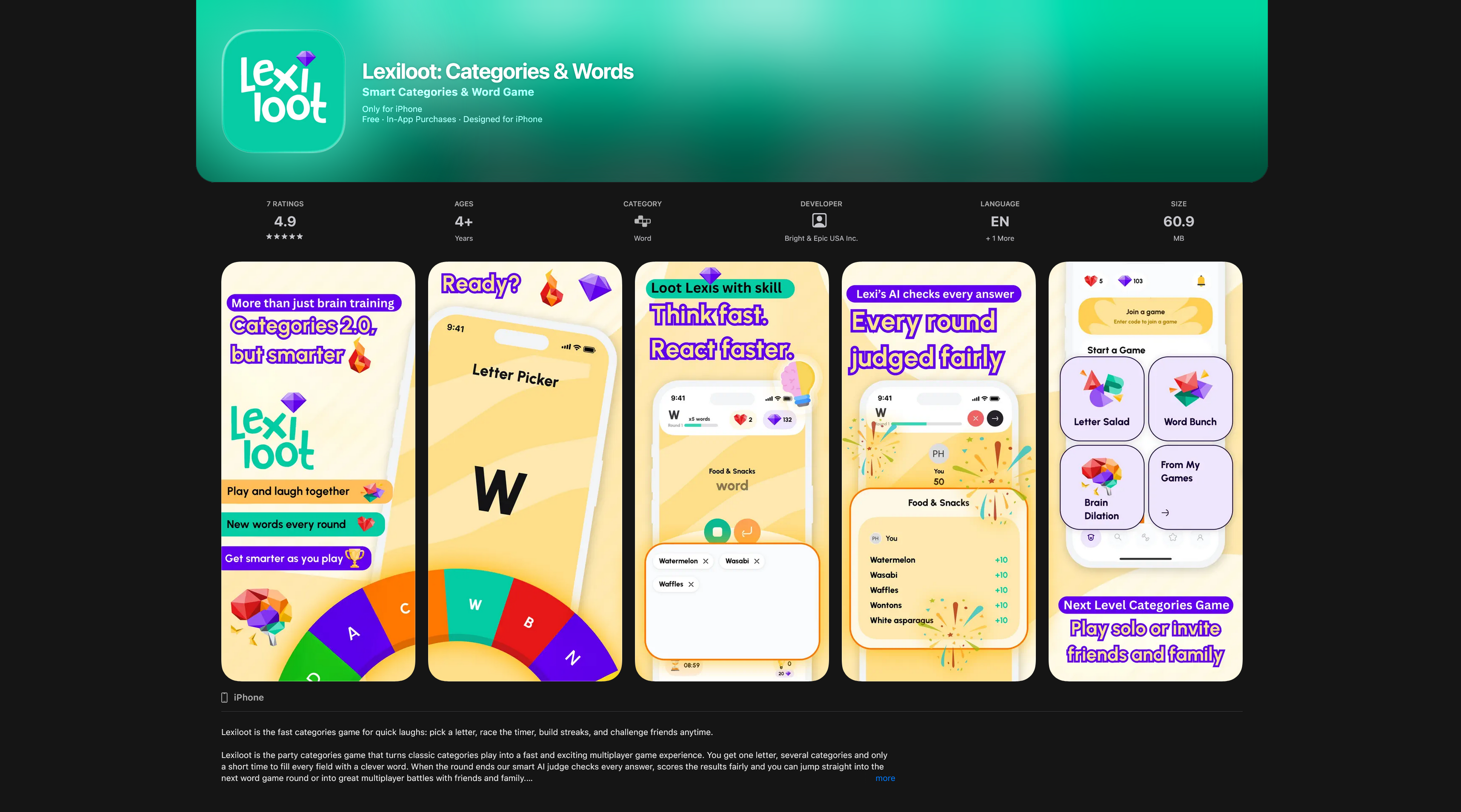
Enjoy accessible free gameplay or unlock premium features through a pay once model that avoids subscription fatigue. Players praise Lexiloot’s blend of vocabulary growth and competitive fun, making it ideal whether you want casual entertainment or serious brain training.
The platform supports both relaxed learning at your own pace and intense ranked battles against global opponents. This versatility means one app serves casual road trip entertainment, classroom educational activities, and competitive tournament play equally well.
Join the growing Lexiloot community through the categories party word game experience, discover categories game for kids and classrooms features designed for young learners, or try free categories game online for convenient anytime access.
FAQ
What are the main benefits of letter arrangement word games?
Letter arrangement games enhance vocabulary, spelling, strategic thinking, and support competitive multiplayer. They build deep word knowledge through repeated exposure to diverse vocabulary while developing spatial planning skills via grid based word placement. The competitive formats motivate continued practice and skill improvement through rankings and tournaments.
How do digital word games like Wordle differ from traditional puzzles?
Digital games feature brief daily challenges with casual or competitive multiplayer, easy accessibility on mobile devices. They add time limits, scoring systems, and achievement tracking that traditional paper puzzles lack. Social features like shared global puzzles and leaderboards create community experiences unavailable in solo physical games.
Which word games are best for young children just learning vocabulary?
Word searches and simplified crossword puzzles are easy, educational choices for children. Word searches develop pattern recognition and focus without requiring extensive vocabulary, while basic crosswords introduce new words through age appropriate clues. Both formats accommodate learning at comfortable paces without competitive pressure. Try a categories game for kids and classrooms specifically designed for young learners.

