


TL;DR:
- Interactive language games add social energy, immediate feedback, and fun, boosting motivation and engagement.
- Different games suit various learning levels, from Duolingo for beginners to VR for advanced practice.
- Combining multiple tools and real practice maximizes vocabulary retention, fluency, and long-term language skills.
Sticking with traditional language study can feel like a slow grind. Flashcard stacks pile up, grammar drills blur together, and motivation quietly fades without anyone to practice with. The good news is that interactive games are changing this experience in a real and measurable way. They add social energy, immediate feedback, and genuine fun to what can otherwise feel like lonely repetition. This guide walks you through how to choose the right language learning games, which options stand out today, and how to match each game to your specific learning goals so you can build vocabulary, sharpen your mind, and stay motivated for the long run.
Table of Contents
- How to choose the best language learning games
- Top individual and multiplayer language learning games
- Side-by-side comparison of top language learning games
- How to match games to your language learning goals
- A smarter approach to language learning games: Our take
- Take your language skills further with Lexiloot
- Frequently asked questions
Key Takeaways
| Point | Details |
|---|---|
| Gamification motivates learning | Language games make practice fun and keep you coming back, boosting consistency. |
| Different games, different benefits | Some games grow vocabulary, others focus on grammar or social connections—choose what fits your goals. |
| Mix games with real-world use | The most progress comes when you combine playing with speaking and listening in real situations. |
| Try multiplayer for social gains | Playing with friends builds both language skills and meaningful connections. |
How to choose the best language learning games
Not every game that calls itself educational actually delivers learning. The difference often comes down to a few key factors that separate engaging tools from forgettable apps. When you know what to look for, choosing becomes much easier.
Engagement matters as much as content difficulty. A game that feels boring gets abandoned, no matter how well it’s designed from a teaching standpoint. Look for games that reward your progress visibly, give you real-time feedback, and offer enough variety to stay interesting across multiple sessions. The benefits of gamification on vocabulary recall are well documented, and gamification boosts motivation and consistency through dopamine rewards, though it works better for building beginner habits than pushing advanced fluency.
Here are the key features to look for when evaluating any language learning game:
- Game style: Does it use spaced repetition, fill-in-the-blank, word building, or storytelling? Different styles suit different learners.
- Multiplayer options: Social play increases accountability and makes practice feel less like a chore.
- Feedback systems: Instant, clear feedback helps your brain connect mistakes to corrections quickly.
- Accessibility: Works across ages and devices, with options for both beginners and intermediate learners.
- Skill growth tracking: A good game shows you measurable progress, not just a score.
Exploring the many types of word games available helps you find the style that fits your learning personality. Understanding educational gamification as a broader concept also helps you evaluate whether a game truly supports skill building or just rewards clicking.
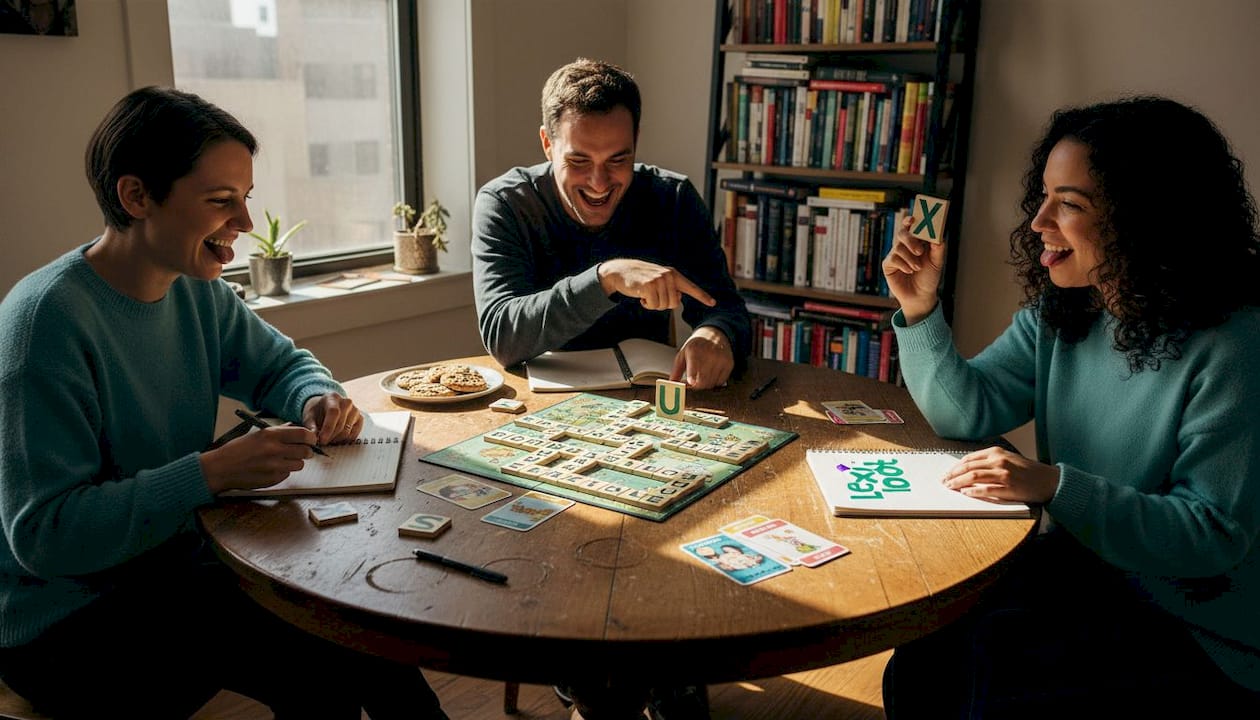
Pro Tip: Pair any language game with at least 10 minutes of real speaking or writing practice each day. Games build recognition, but production is what locks in fluency.
Top individual and multiplayer language learning games
With your criteria set, it’s time to look at what’s actually out there. These games have earned real attention from language learners, teachers, and researchers for good reason.
- Memrise: Combines vocabulary drills with native speaker videos so you hear real pronunciation, not robotic audio. Memrise and Anki use SRS for long-term retention, with Memrise adding native speaker videos for listening practice.
- Anki: The gold standard for customizable flashcard decks. You can build card sets for any language, topic, or proficiency level. Its spaced repetition system surfaces cards just before you’d forget them.
- Clozemaster: Designed for intermediate learners who want grammar and vocabulary in real context. Sentences have one word missing, and you fill it in using surrounding clues.
- Duolingo: One of the most researched apps in the space. Duolingo improves L2 reading comprehension, listening, and vocabulary through pretesting and guided feedback.
- Wurdian and Wordox: Multiplayer word battles where you build words on boards, steal points from opponents, and compete in tournaments. Wurdian supports multiplayer vocabulary and strategy practice across multiple languages.
- LingoVerse (VR): A virtual reality game that puts you inside immersive language environments. It tracks proficiency before and after play, offering a glimpse into the future of language immersion at home.
If social play appeals to you, learn more about playing word games with friends and how the competitive element pushes vocabulary recall faster than solo drills. Research also supports cognitive growth with multiplayer formats, showing gains in attention and strategic thinking alongside language skills.
The social and cognitive benefits of language games go beyond vocabulary. Regular social play builds listening focus, turn-taking skills, and the ability to think quickly under mild pressure, all of which transfer directly to real conversations.
Pro Tip: Try Clozemaster after two to three months with Memrise or Anki. The context-based challenge hits differently once you have a foundational word bank to draw from.
Side-by-side comparison of top language learning games
You’ve read the details on each game. Now see how they stack up against each other so you can make a quick, confident decision.
| Game | SRS | Multiplayer | VR/AR | Customization | Best for |
|---|---|---|---|---|---|
| Memrise | Yes | Limited | No | Medium | Beginners to intermediate |
| Anki | Yes | No | No | High | All levels, self-directed |
| Clozemaster | Partial | No | No | Low | Intermediate to advanced |
| Duolingo | Partial | Limited | No | Low | Beginners, habit building |
| Wurdian/Wordox | No | Yes | No | Low | Social learners, all levels |
| LingoVerse | No | Limited | Yes | Low | Advanced, immersive practice |
Clozemaster uses cloze deletion sentences for intermediate vocabulary and grammar in context, making it a strong bridge between basic vocabulary apps and real-world reading. Meanwhile, LingoVerse showed positive effects on language proficiency tests and motivation through gamified immersion, though hardware requirements still limit its reach.
Here’s a simple numbered guide to matching your situation to the right tool:
- Complete beginner: Start with Duolingo or Memrise for habit formation and basic vocabulary exposure.
- Intermediate learner: Add Clozemaster for grammar in context and Anki for personalized word lists.
- Social or competitive learner: Use Wurdian or Wordox to practice with others and sharpen strategy.
- Advanced learner seeking immersion: Explore LingoVerse if you have VR hardware available.
- All levels: Layer multiplayer games on top of solo practice for cognitive benefits in games that solo tools alone can’t provide.
Families will also find great overlap here. Many of these games double as family vocabulary games that work across age groups, making them great for shared evening sessions.
Key insight: No single game covers every skill. Vocabulary recognition, grammar context, listening fluency, and social speaking each need their own type of practice. Mixing two or three complementary tools produces far better results than relying on just one.
How to match games to your language learning goals
Knowing which games exist is just the start. The real skill is choosing the right one for where you are right now, and knowing when to shift gears as you grow.
For beginners, the fun factor matters most. If a game feels like a task, you’ll quit before the vocabulary sticks. Duolingo and Memrise win here because they ease you in gradually and celebrate small wins. The short sessions keep things light while still building a real foundation.
For intermediate learners, depth starts to matter more. You need grammar context, not just isolated words. Clozemaster fills that gap well. If you’re studying with a tutor or language class, Anki lets you import your exact lesson vocabulary and drill it between sessions.
Here’s how to get the most from language games at any stage:
- Use games right after a lesson while new words are still fresh.
- Schedule short multiplayer sessions a few times a week to practice under gentle pressure.
- Track which words you miss repeatedly, and add them to an Anki deck for extra review.
- Mix a competitive game like Wurdian into your week to activate vocabulary recall in a social context.
- Use teaching word games strategies if you’re introducing games in a classroom or family setting.
It’s also worth knowing the limits. Gamified apps are less effective for self-efficacy gains or advanced fluency, and VR options remain hardware-limited for most learners. For advanced speakers, games should supplement real conversation, not replace it. Tools like digital tools for teachers can help educators build balanced programs that combine game-based practice with structured instruction.
Staying current with word game trends also helps you spot emerging tools that might fit your goals better as the landscape keeps evolving.
Pro Tip: If a game starts to feel too easy, that’s a signal to level up, not to play longer. Move to a harder mode, add a new language, or switch to a more competitive format to keep your brain challenged.
A smarter approach to language learning games: Our take
Here’s something most language learning content gets wrong: more game time does not automatically mean more language skill. It’s tempting to believe that because games feel productive and engaging, they’re always moving you forward. But there’s a real ceiling.
Games are genuinely powerful for building vocabulary habits and keeping motivation alive, especially in the early stages. They create the kind of daily consistency that textbooks rarely inspire. But once you’re past the beginner phase, gamification excels for beginners and habits more than advanced fluency, which means games alone won’t get you to real conversational ability.
We believe the smartest approach treats games as one layer in a broader learning system. They’re the part that keeps you showing up. But speaking with real people, writing freely, and listening to authentic content are what push your fluency past a plateau. Understanding why play-for-learning works helps you use games with intention rather than defaulting to them out of habit. The goal is to enjoy the game and grow beyond it.
Take your language skills further with Lexiloot
If you’re ready to make language learning genuinely fun and social, Lexiloot is built for exactly that. It combines word challenges, category games, and multiplayer competitions in one app designed for learners of all ages.
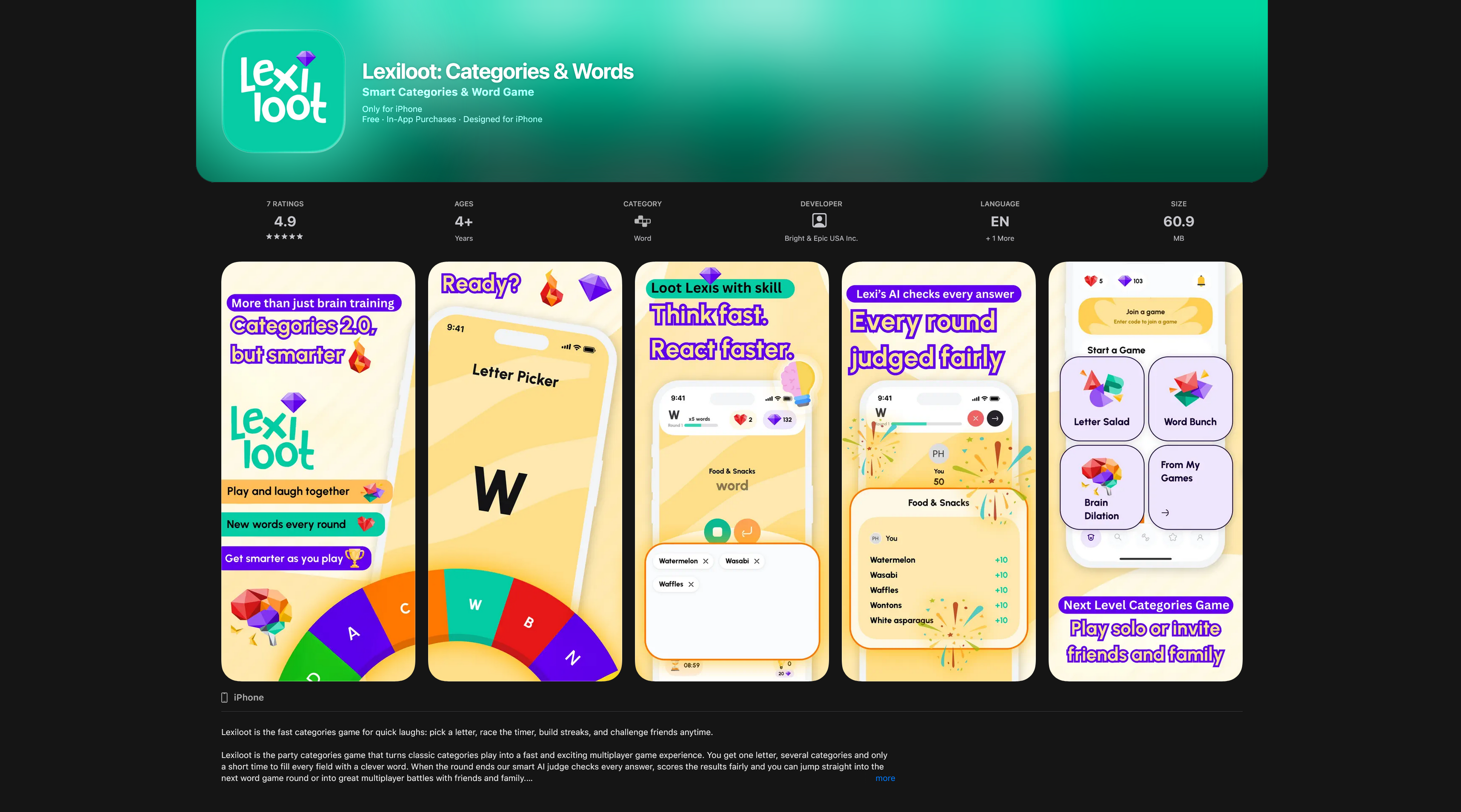
Whether you’re a student, a parent playing with your kids, or a teacher looking for classroom tools, Lexiloot gives you a playful way to build vocabulary and sharpen cognitive skills at the same time. Explore how games in education are making a real difference, browse creative word game examples for fresh inspiration, and discover how word games boost vocabulary in ways that stick. Try Lexiloot today and turn your next practice session into something you actually look forward to.
Frequently asked questions
Which language learning games are best for beginners?
Duolingo, Memrise, and Anki offer gentle introductions with gamified practice and easy progress tracking. Duolingo improves recall and listening skills for early-stage learners, making it a reliable starting point.
Can multiplayer word games really improve vocabulary?
Yes, games like Wurdian challenge players to build and steal words in real time, which activates fast vocabulary recall under social pressure. Wurdian supports vocabulary and strategy practice across multiple languages.
Do VR language games work for advanced learners?
VR apps like LingoVerse offer immersive practice environments and strong motivation, but hardware costs limit access for most users. LingoVerse showed positive effects on proficiency tests, making it best used as a supplement rather than a primary tool.
What’s the most effective way to use language learning games?
Mix games with real speaking, listening, and writing practice for the best long-term results. Combining gamified apps with speaking practice is what drives growth beyond the beginner stage.

