


TL;DR:
- Brain training improves cognitive skills through short, regular, and social game sessions.
- Choosing varied, adaptive apps like Lumosity and Peak enhances engagement and progress.
- Enjoyment and consistency are key to long-term cognitive gains beyond just game scores.
Want sharper thinking and a stronger vocabulary for yourself or your kids, but not sure where to begin? You’re not alone. Many families and individuals feel that pull toward better mental fitness but get stuck at the starting line. The good news is that brain training doesn’t require expensive courses or complicated routines. With the right mobile games and a simple, consistent approach, you can build real cognitive skills while having genuine fun. This guide walks you through everything: what brain training is, which tools to choose, how to build your routine, and how to track the results that matter.
Table of Contents
- What is step-by-step brain training and why does it matter?
- Gather your tools: Choosing the best apps and games
- Step-by-step: How to start your brain training routine
- Common challenges and how to overcome them
- Tracking your progress and celebrating cognitive gains
- A fresh perspective: The real secret to lasting brain gains
- Get started with engaging, social brain training today
- Frequently asked questions
Key Takeaways
| Point | Details |
|---|---|
| Anyone can benefit | You do not need special skills to start brain training—mobile games make it easy and fun. |
| Consistency is key | Short, daily sessions are more effective than occasional intense practice. |
| Choose engaging games | Pick games that boost vocabulary and thinking, and play with friends or family for faster progress. |
| Track your progress | Use app dashboards and leaderboards to monitor gains and stay motivated. |
| Mix activities for best results | Combine brain training games with real-world challenges and conversations for skills that transfer. |
What is step-by-step brain training and why does it matter?
Brain training involves targeted games or activities designed to improve specific cognitive abilities, such as working memory, processing speed, vocabulary recall, and category thinking. Think of it less like studying and more like a daily workout for your mind. Short sessions repeated regularly are far more effective than occasional long bursts.
The research here is encouraging. Brain training games significantly improve cognitive functioning, processing speed, and working memory in healthy individuals, according to a meta-analysis of 16 randomized controlled trials. Those are real, measurable gains that show up in everyday thinking, not just in-game scores.
For children and adults alike, the benefits grow faster when learning is social and enjoyable. Playing with a family member or a friend adds accountability and excitement, which keeps you coming back. Here’s what brain training does well:
- Strengthens working memory so you can hold and use more information at once
- Builds vocabulary recall, making words easier to retrieve in conversation and writing
- Sharpens processing speed, helping you think and respond more quickly
- Supports spelling fluency through repeated, playful exposure to words
“The most effective brain training combines variety, social connection, and consistent practice. It’s not about grinding through one skill repeatedly, it’s about keeping the brain engaged and curious.”
For lasting cognitive gains, it helps to understand what you’re actually training. Familiarizing yourself with common brain training terms before you start makes it easier to read your app’s progress reports and set realistic expectations. And realistic expectations matter: brain training is a helpful tool, not a miracle cure. Set goals around enjoyment and steady improvement, and you’ll stay motivated far longer.
Gather your tools: Choosing the best apps and games
Once you understand how brain training works and why it helps, the next step is gathering your tools. Choosing the right app makes a real difference in whether your routine sticks or fades after a week.
A great brain training app should offer variety so you’re not repeating the same task endlessly. It should adapt to your current skill level so it’s always a little challenging but never frustrating. Age flexibility is important for families since kids and adults have different needs. Social features, like leaderboards and challenges, add motivation and make it more fun.
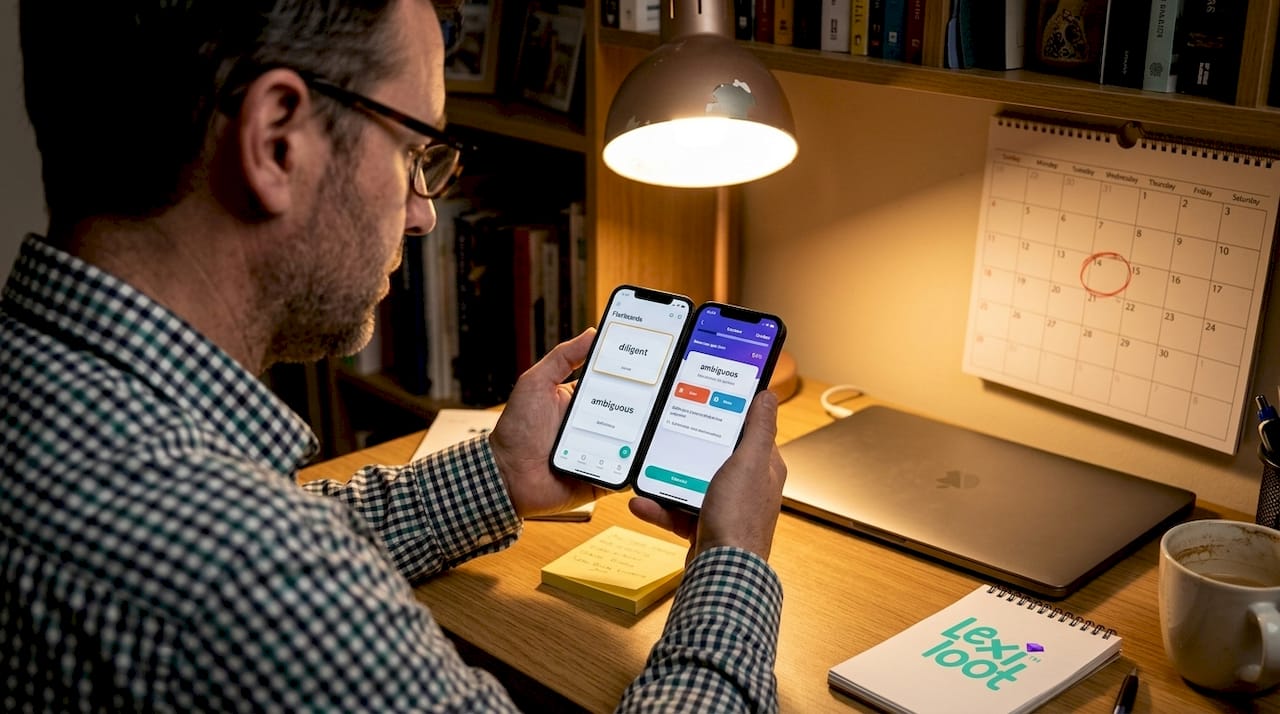
Two well-known options worth considering are Lumosity and Peak. Lumosity features 40+ adaptive brain games covering memory, attention, speed, flexibility, problem-solving, math, and vocabulary, making it a solid all-around choice. Peak offers 45 brain games covering memory, attention, problem-solving, mental agility, language, and math, with collaborative and research-based features that work well for families.
| Feature | Lumosity | Peak |
|—|—|—|
| Number of games | 40+ | 45 |
| Free tier available | Yes | Yes |
| Vocabulary/word games | Yes | Yes |
| Adaptive difficulty | Yes | Yes |
| Social/family features | Limited | Strong |
| Personalized workouts | Yes | Yes |
Most major apps offer free tiers, so you can try before committing. Paid upgrades typically add deeper vocabulary practice, ad-free gameplay, and advanced analytics. For fun brain training game picks that work for all ages, look for apps that blend logic, vocabulary, and category games. The family-friendly game ideas that work best are ones everyone at the table actually enjoys playing.
For a broader list of tested options, more game recommendations from Verywell Mind cover both apps and browser-based tools that suit different ages and learning styles.
Pro Tip: Start with the free version of any app and spend one week testing different game types. Pay attention to which ones you genuinely look forward to, not just which ones feel “educational.” Enjoyment predicts consistency better than any other factor.
Step-by-step: How to start your brain training routine
You’ve picked your tools, so now it’s time to launch your routine with a clear, practical plan. The biggest mistake most people make is starting too ambitiously. Long sessions feel productive but lead to burnout fast. Short, daily sessions win every time.
Here’s a simple sequence to follow:
- Download your chosen app and create a profile with accurate information so the adaptive system can calibrate correctly.
- Complete the fit test or initial assessment. Lumosity uses a fit test and personalized workouts based on neuropsychological tasks to set your starting baseline.
- Select your daily workout. Most apps auto-generate a session of three to five games targeting different skills. Stick with this rather than cherry-picking only your favorite games.
- Invite a family member or friend to join the same app. Set a shared weekly challenge or compare leaderboard scores to add a social layer.
- Track your performance insights after each session. Look for trends across days, not just individual scores.
- Adjust every two weeks. If one skill area feels too easy, switch to a harder mode or try a new game category.
| Week | Daily time | Focus area | Social activity |
|---|---|---|---|
| 1-2 | 10 minutes | Vocabulary and memory | Invite a friend or family member |
| 3-4 | 12 minutes | Speed and attention | Compare weekly scores |
| 5+ | 15 minutes | Mixed skills | Host a mini family challenge |
For extra ideas on building this habit with kids, explore teaching vocabulary with word games and see how word games help learning across different age groups.
Pro Tip: Schedule your brain training session at the same time each day, right after breakfast or before bed works well for most families. A consistent trigger helps turn it from a task into a habit.
Common challenges and how to overcome them
Even with a great plan, challenges can arise. Let’s cover the hurdles you might face and how to handle them.
Plateaus are the most common frustration. You play daily, then suddenly your scores stop improving. This is completely normal. The brain adapts to familiar tasks, so when progress levels off, it’s a signal to introduce new game types or skill categories rather than repeat the same routine.
Another real challenge is over-reliance on apps. If your only cognitive exercise comes from a screen, you limit how much those skills transfer to real life. Mix in conversations, word games played out loud, or even reading aloud to reinforce what you’re building digitally.
It’s also worth being honest about transfer. Practice effects on trained tasks don’t always extend to unrelated cognitive skills, as one RCT using Peak with older adults demonstrated. Gains in a specific memory game don’t automatically mean better memory at work or school. Celebrate in-game progress while also watching for real-world changes.
Here are strategies to stay on track:
- Rotate game categories every two weeks to prevent adaptation plateaus
- Play competitively with others at least once per week for added challenge
- Balance screen-based training with real conversations and all-age brain training benefits you can find offline
- Use vocabulary game terms to better understand your skill dashboards
“Progress in brain training isn’t always visible in scores. Sometimes the gain shows up as the ability to recall the right word at the right moment, or staying focused longer during a challenging conversation.”
Keep expectations grounded and keep the focus on steady, enjoyable improvement. That mindset prevents burnout and keeps the whole family engaged.
Tracking your progress and celebrating cognitive gains
Staying motivated and recognizing your success is crucial. Here’s how to reward your effort and keep growing.
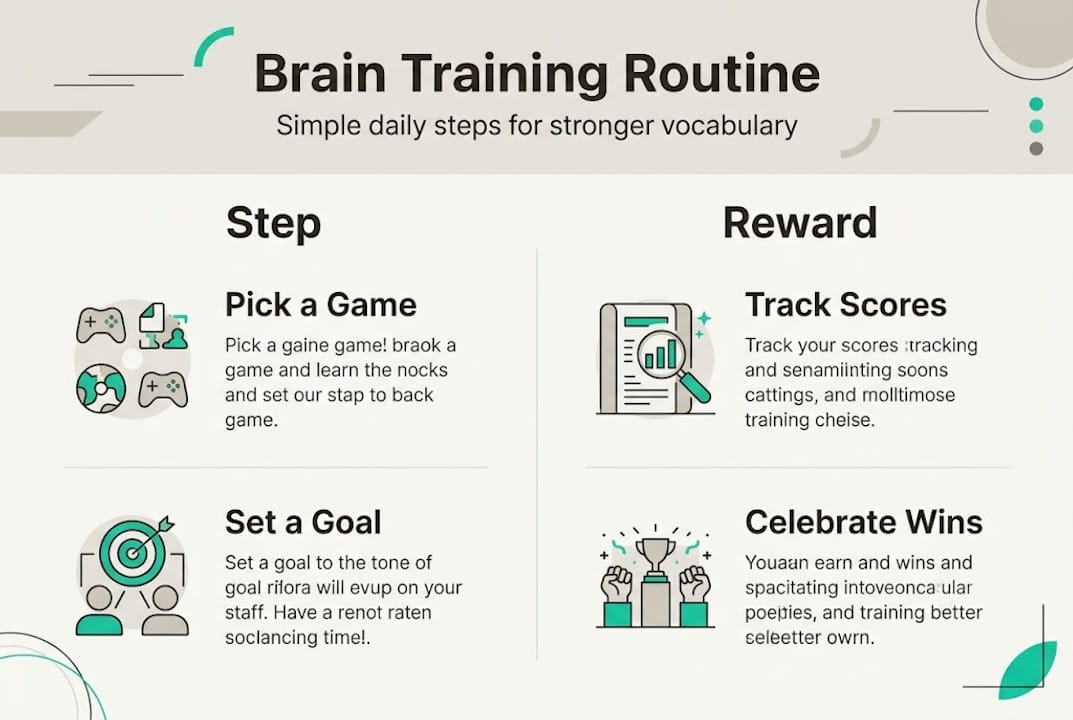
Most brain training apps provide detailed dashboards where you can see your scores over time. Lumosity’s performance insights are built on neuropsychological task structures, which means the metrics you’re reading reflect genuine cognitive patterns, not arbitrary numbers.
Here’s how to make the most of those dashboards:
- Check your skill breakdown weekly, not just your overall score. Look for which specific areas (vocabulary recall, processing speed, attention) are improving.
- Notice streaks. A seven-day streak matters more than a single high score because it reflects consistency, which is the real driver of growth.
- Use family leaderboards as a lighthearted motivator, not a pressure tool. Celebrate each other’s personal bests.
- Watch for real-world signs of improvement. Are you finding words more easily in conversation? Solving problems faster? Feeling more focused during reading or work? These are the gains that matter most.
- Reflect and adjust every month. If you haven’t improved in a skill area after four weeks, try a different game type that targets it in a new way.
For families tracking cognition and vocabulary boost progress together, make it a ritual. Review the week’s scores together on Sunday evening and plan the next week’s challenge as a group. This turns individual practice into a shared family experience, which dramatically increases long-term commitment.
A fresh perspective: The real secret to lasting brain gains
With your plan and tools in place, let’s step back and consider what truly leads to the best brain training outcomes.
Here’s something that often gets overlooked: the biggest predictor of long-term cognitive improvement is not the app you choose or the number of games you complete. It’s whether you actually enjoy the process enough to keep going. Consistency built on enjoyment outperforms any single technique.
We’ve seen that mixing vocabulary games, real conversations, and playful competition produces better outcomes than repeating one isolated skill. The brain responds to novelty and social connection in ways that solo repetition simply doesn’t trigger.
The steps in this guide are designed to set you up for that kind of real-world benefit. Small daily progress, celebrated together, creates a positive feedback loop that keeps both kids and adults motivated far longer than high-pressure cramming sessions ever could. Family-focused brain training works best when it feels like play rather than practice. When you laugh together over a word challenge or cheer a leaderboard climb, you’re building more than cognitive skills. You’re building a household habit that sticks.
Get started with engaging, social brain training today
Ready to take your next steps with brain training? Here’s how Lexiloot can help you put these insights into action.
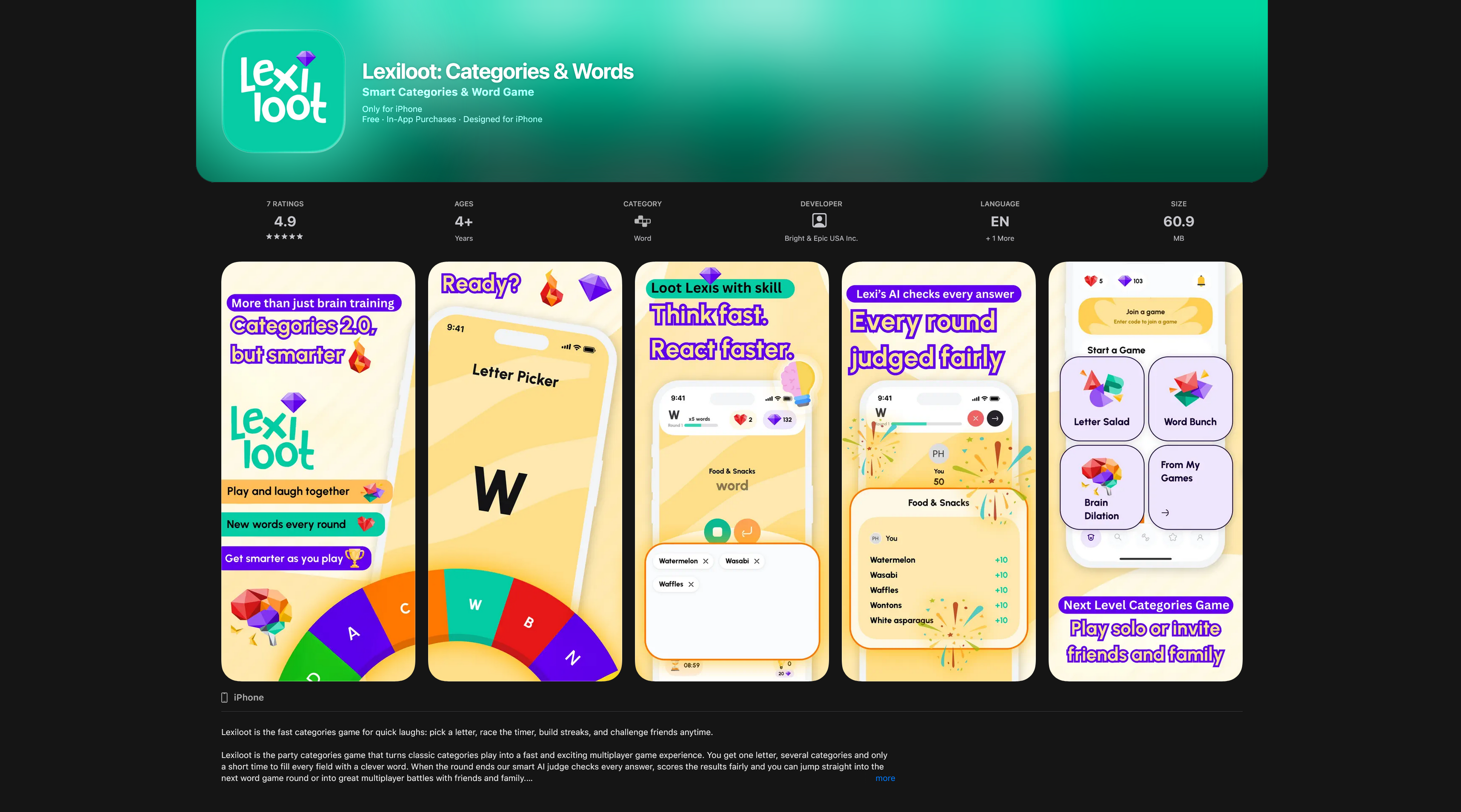
Lexiloot brain games bring together vocabulary challenges, category games, and multiplayer competitions in one mobile app that’s designed for all ages. Whether you’re a parent looking for a smart family activity or an individual who wants to keep their mind sharp, Lexiloot makes it easy to start. Explore proven strategies to boost scores and brainpower while making every session feel rewarding. You can also dig into the research-backed benefits of word games for cognitive growth to understand exactly what you’re building. Download Lexiloot and launch your family-friendly brain training routine today.
Frequently asked questions
Do brain training games really work for kids and adults?
Yes, research supports real gains. A meta-analysis of 16 RCTs shows brain training games significantly improve cognitive functioning, processing speed, and working memory, with effects strongest when practice is consistent and social.
How often should I use brain training games for best results?
Short, daily sessions are most effective. Aim for 10 to 15 minutes per day rather than one long weekly session, since frequency and consistency drive skill development more than duration.
Will brain training help with real-life tasks or just game scores?
In-game practice can improve cognitive functions like processing speed and vocabulary recall, but no transfer to unrelated cognitive skills was found in some studies, so pair app practice with real-world application for best results.
Are there free brain training apps suitable for families?
Absolutely. Free brain training options include apps like Lumosity and Peak, both of which offer free tiers with social features and games appropriate for a range of ages.

